
Planet and Solar System Coloring Pages
Planet and solar system coloring pages for kids ages 6 to 10: ringed and rocky planets, the Moon, comets, galaxies, rovers and space explorers, free to print.
156 coloring pages · page 1 of 9
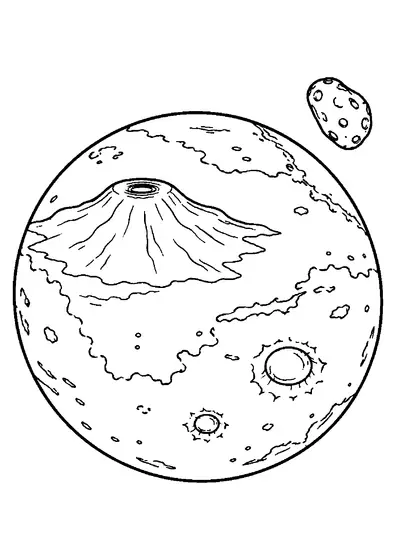
Mars with a Giant Shield Volcano and Moon
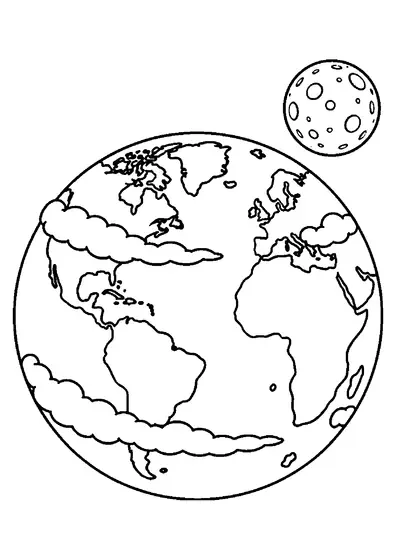
Earth with Oceans, Continents, Clouds and Moon
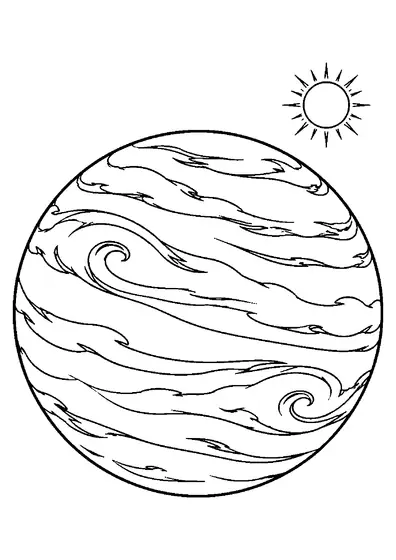
Venus Wrapped in Thick Swirling Clouds
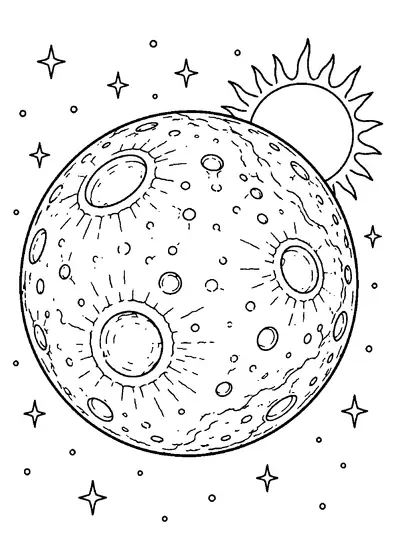
Crater-Covered Mercury Near the Sun

Guardian of Earth at the Observatory

Guardian of the Icy Moon's Rings

Solar Orbit Guardian
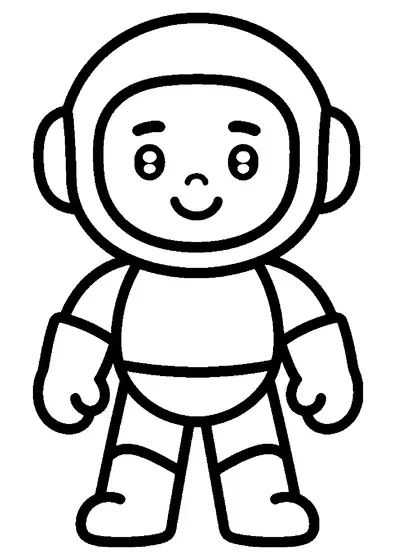
Blue Planet Defender
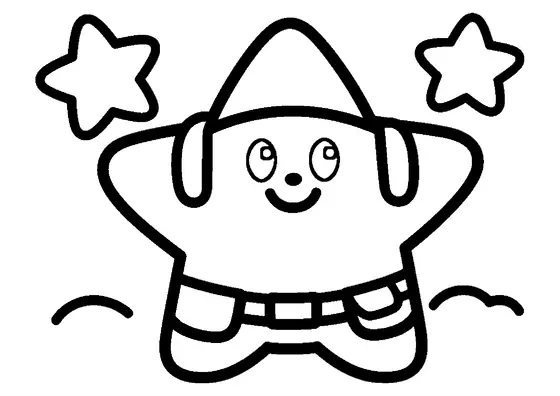
Guide Through the Stardust
- Advertisement

Hero of the Red Planet

Messenger Between the Planets

Explorer of the Purple Planet

Shooting Star Tracker

Protector of the Cratered Planet

Milky Way Traveler

Twin of the Starlight

Escort for a Small Planet

Hero of the Night Sky
Planet and Solar System Coloring Pages — what you will find on this page
These solar system coloring pages turn space science into art. Kids will find a planet with wide rings, rocky and cloud-covered worlds, an ocean planet with an island, a volcanic planet with a caldera, a cracked ice world, the Moon and its giant craters, a comet with a wide tail, a spiral galaxy and a nebula. The drawings have no printed labels, so children can decide which planet is which, write in the names themselves or invent brand-new worlds.
Planet explorers are part of the fun. Kids can color a Mars rover seen from the front, a lunar lander on its landing legs, a moon rocket, a space shuttle with wide wings, a weather satellite above a planet and a radio telescope on a sturdy base. Imaginative character pages show a dusty planet geologist, a gas giant meteorologist, a moon garden botanist, a solar panel technician and a guardian of Earth at the observatory. Some sheets are full scenes, like a lunar dome builder at work or a helper rover with a claw, while others focus on one object, such as a space airlock hatch or a space food pouch.
The sheets are medium difficulty for kids ages 6 to 10. Bold lines define craters, bands, rings and spacecraft panels, giving plenty of smaller areas for careful coloring. The activity builds pencil control and patience, and it is a natural moment to talk about moon phases, comets and eclipses.
For younger kids, start with a single planet, the Moon or a comet. Older kids will enjoy the scenes with rovers, landers and space bases. Kids can look up real photos of Saturn's rings or the Moon's craters and try to match the colors, then use the pages alongside a science lesson or a homeschool astronomy unit.
Every page is a free black-and-white download sized for A4 paper, and it prints fine on US Letter with the "Fit to page" option. Use regular printer paper for crayons and colored pencils; for markers or watercolors, switch to cardstock to avoid bleed-through.
This is a subcategory of Space and Rocket Coloring Pages, where you will find rockets, astronauts and space stations.
In short
Labugen's planet and solar system coloring pages are free printable A4 sheets of planets, the Moon, comets, galaxies, rovers, landers and imaginative space explorers, drawn without text labels. The medium-difficulty drawings are designed for kids ages 6 to 10.