
Protector of the Cratered Planet
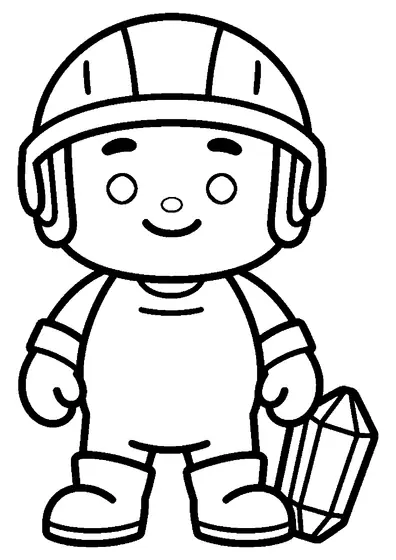
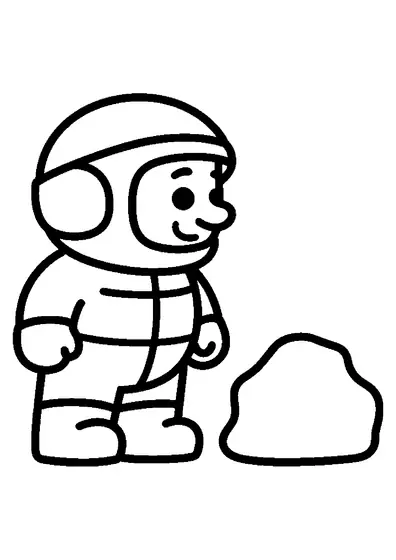
An armored guardian guards a massive celestial sphere marked by deep circular impact basins.

A4 format (portrait), black outlines on a white background · for home and classroom use
All coloring pages: Planet and Solar System Coloring Pages
Similar coloring pages: Planet and Solar System Coloring Pages


What else can you print? Free, no account needed
Custom Name Coloring Pages
Enter your child's name to generate a custom coloring page featuring large outline letters to color and decorate.
Open generator →Connect the Dots Generator
Eight connect-the-dots pictures across three difficulty levels. Features faint outline guides for younger children and dots only for older kids.
Open generator →Printables
Worksheets, tracing lines, mazes and dot-to-dots in A4.
Browse printables →
Planetary Guardians and Cratered Surfaces
Defenders in protective suit armor safeguard celestial bodies from space hazards like incoming meteoroids. Heavily cratered planets lack thick protective atmospheres, leaving their rocky surfaces vulnerable to continuous cosmic impacts. Over millions of years, round crater bowls remain unchanged because there is no wind or water erosion to wear them away.
How Impact Craters Form
Impact craters are created when high-speed asteroids collide with a solid planet or moon. The force of the collision excavates a bowl-shaped depression while hurling pulverized rock debris outward in ray patterns. Earth moon and planet Mercury are covered in thousands of overlapping impact craters formed over billions of years.
Colors of Planetary Armor and Impact Craters
- Protective armor: Steel gray, silver, metallic copper, or dark bronze
- Planet surface rock: Ash gray, dusty charcoal, and muted brown
- Crater interior shadow: Deep black and dark slate
- Outer space backdrop: Midnight black with distant white star points