
Mosasaur over a Limestone Terrace
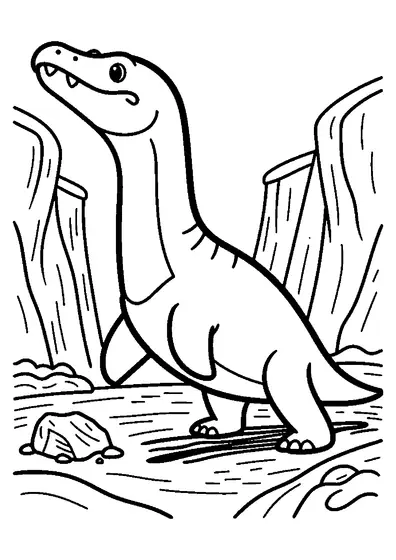
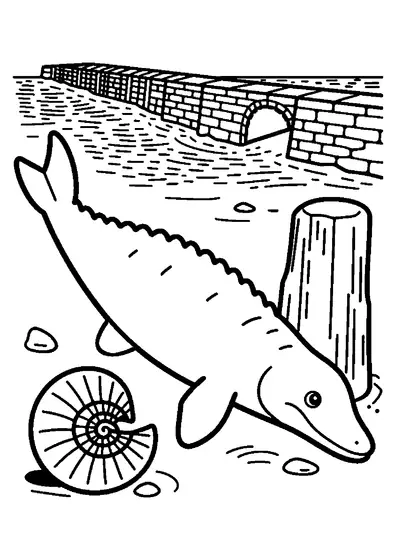
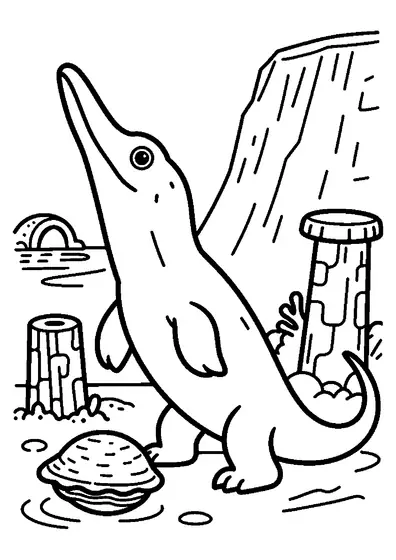
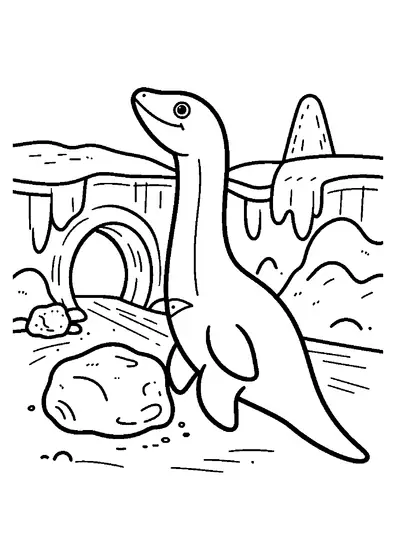
A powerful mosasaur glides effortlessly above the broad stone steps of an ancient limestone terrace and giant sea shell.

A4 format (landscape), black outlines on a white background · for home and classroom use
All coloring pages: Flying and Sea Reptile Coloring Pages
Similar coloring pages: Flying and Sea Reptile Coloring Pages


What else can you print? Free, no account needed
Custom Name Coloring Pages
Enter your child's name to generate a custom coloring page featuring large outline letters to color and decorate.
Open generator →Connect the Dots Generator
Eight connect-the-dots pictures across three difficulty levels. Features faint outline guides for younger children and dots only for older kids.
Open generator →Printables
Worksheets, tracing lines, mazes and dot-to-dots in A4.
Browse printables →
The Mosasaur Swimming Above a Submerged Limestone Terrace
High above a stepped marine limestone terrace, a large predatory mosasaur glides across clear coastal ocean waters. Below the swimming marine reptile, natural stone blocks and a large sea shell rest along the wide mineral ledges of the seafloor.
How Prehistoric Limestone Ledges Formed in Ancient Oceans
Limestone terraces in prehistoric seas were created by the accumulation of microscopic calcium-rich shell fragments over millions of years. Ocean currents gradually shaped these thick layers into natural stepped platforms, which provided habitats for many bottom-dwelling marine organisms.
Authentic Colors of Mosasaurs and Mineral Formations
- Mosasaur body: dark navy blue, slate gray, or deep olive green with pale countershading
- Mosasaur tail and flippers: dark charcoal gray or deep teal green
- Submerged limestone terrace: off-white, pale ivory, grayish beige, or light tan
- Prehistoric stone block: medium gray, weathered brown, or dark taupe
- Large sea shell: dusty pink, pale orange, cream, or mottled brownish red