
Rhamphorhynchus Gliding Over a Sandy Shoal
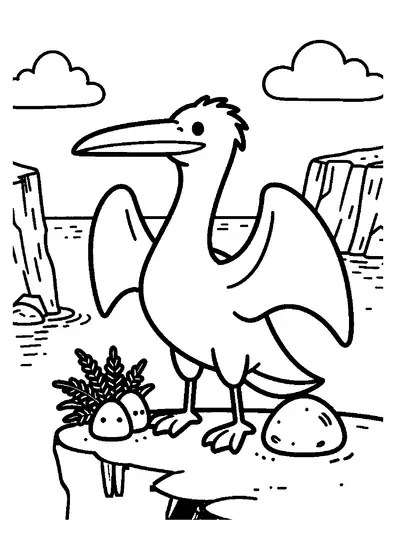
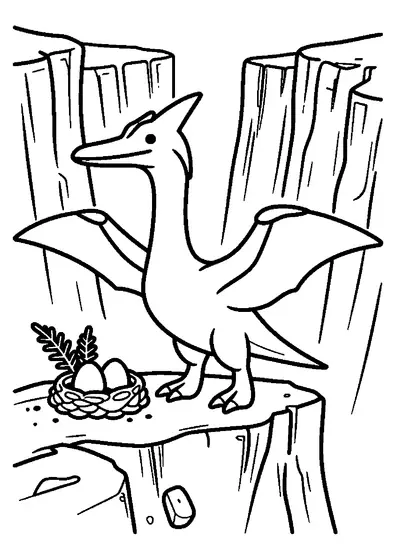
A long-tailed Rhamphorhynchus moves across the sky near a sunny ocean shore.

A4 format (landscape), black outlines on a white background · for home and classroom use
All coloring pages: Flying and Sea Reptile Coloring Pages
Similar coloring pages: Flying and Sea Reptile Coloring Pages


What else can you print? Free, no account needed
Custom Name Coloring Pages
Enter your child's name to generate a custom coloring page featuring large outline letters to color and decorate.
Open generator →Connect the Dots Generator
Eight connect-the-dots pictures across three difficulty levels. Features faint outline guides for younger children and dots only for older kids.
Open generator →Printables
Worksheets, tracing lines, mazes and dot-to-dots in A4.
Browse printables →
Rhamphorhynchus near the Coastal Shore
This scene depicts Rhamphorhynchus soaring above coastal waters where waves meet a sandy shoal. Pterosaurs of this kind frequently gathered along ancient shorelines, navigating oceanic breezes while searching for food in shallow coastal areas.
Coastal Life of Long-Tailed Pterosaurs
Rhamphorhynchus possessed a stiff tail ending in a diamond-shaped vane that acted like a rudder during flight over windy coastal waters. Fossilized wing membranes show that these flying reptiles were adept at controlling their position while skimming low over open ocean surfaces. Their long, narrow jaws contained sharp teeth angled forward, ideal for snatching slippery prey straight from shallow marine shoals.
Real Colors of Rhamphorhynchus
- Wing membranes: Dark brown or gray tones that helped reduce light glare near ocean waters
- Leather-like skin: Muted olive or tan shades blending with coastal rocks and sand
- Diamond tail vane: Dark gray or black, providing contrast against the pale sky
- Sandy shoal: Light yellow or beige mineral grains shaped by ocean tides