
Plesiosaur beneath an Ice Tunnel
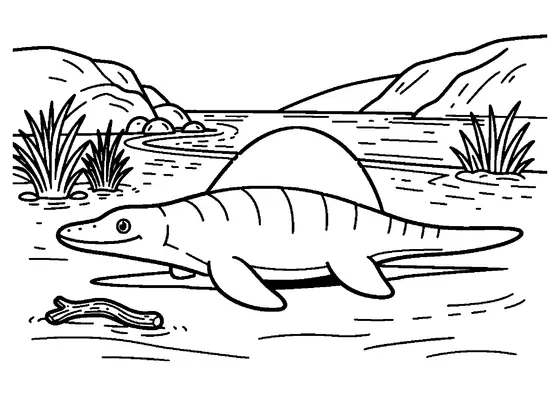
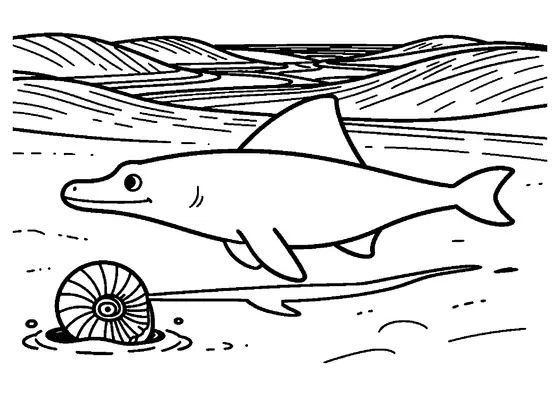
A long-necked plesiosaur swims beneath a frozen sea ice tunnel near a submerged boulder, large shell, and rippled seafloor sand.

A4 format (portrait), black outlines on a white background · for home and classroom use
All coloring pages: Flying and Sea Reptile Coloring Pages
Similar coloring pages: Flying and Sea Reptile Coloring Pages



What else can you print? Free, no account needed
Custom Name Coloring Pages
Enter your child's name to generate a custom coloring page featuring large outline letters to color and decorate.
Open generator →Connect the Dots Generator
Eight connect-the-dots pictures across three difficulty levels. Features faint outline guides for younger children and dots only for older kids.
Open generator →Printables
Worksheets, tracing lines, mazes and dot-to-dots in A4.
Browse printables →
The Plesiosaur Swimming Beneath Frozen Sea Ice
In cold prehistoric waters, a plesiosaur moves underneath a massive natural tunnel sculpted from sea ice sheets. Deep below the ice cover, the rippled seafloor features a weathered stone boulder alongside a large shell resting on the sandy bottom.
Survival of Marine Reptiles in Cold Prehistoric Seas
Some species of plesiosaurs inhabited high-latitude oceans where seasonal sea ice formed during cold winters. These marine reptiles possessed high metabolic rates that allowed them to stay active in near-freezing water temperatures while hunting for prey beneath floating ice fields.
True Colors of Arctic Marine Life and Glacial Landscapes
- Plesiosaur skin: dark slate gray, steel blue, or deep charcoal above with a light gray underside
- Sea ice sheets and ice tunnel: icy white, pale sky blue, light turquoise, or translucent frost gray
- Submerged stone boulder: dark granite gray, deep brown, or slate black
- Prehistoric sea shell: muted ivory, light beige, or soft coral pink
- Rippled seabed: pale tan, light ash gray, or golden sand tone