
Mosasaur at a Table Reef
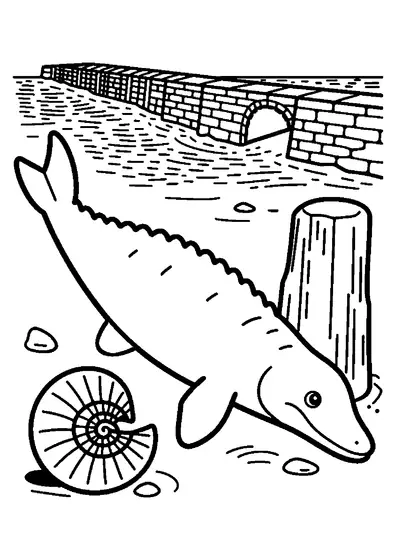
A massive mosasaur swims past a flat-topped table reef flanked by a towering rock pillar and a giant sea shell on the ocean floor.

A4 format (portrait), black outlines on a white background · for home and classroom use
All coloring pages: Flying and Sea Reptile Coloring Pages
Similar coloring pages: Flying and Sea Reptile Coloring Pages




What else can you print? Free, no account needed
Custom Name Coloring Pages
Enter your child's name to generate a custom coloring page featuring large outline letters to color and decorate.
Open generator →Connect the Dots Generator
Eight connect-the-dots pictures across three difficulty levels. Features faint outline guides for younger children and dots only for older kids.
Open generator →Printables
Worksheets, tracing lines, mazes and dot-to-dots in A4.
Browse printables →
The Large Mosasaur Swimming Around a Table Reef
A giant mosasaur navigates through shallow tropical waters surrounding a broad, flat-topped reef formation. Beside the marine table reef, a vertical stone pillar rises from the seabed while a massive sea shell sits anchored among coastal rock structures.
The Ecosystem of Prehistoric Table Reefs
Ancient table reefs were shallow limestone structures built up by coral-like organisms and marine algae over hundreds of years. The flat tops of these reefs caught abundant sunlight, creating vibrant ecosystems that attracted schools of prehistoric fish and large hunting sea reptiles.
Authentic Colors of Giant Marine Predators and Coral Formations
- Mosasaur skin: deep gray-green, slate blue, or dark charcoal with light countershading underneath
- Mosasaur paddle flippers: dark olive brown or slate gray
- Submerged table reef: muted coral pink, ochre yellow, pale tan, or olive gray
- Vertical rock pillar: dark slate gray, deep brown, or basalt black
- Giant sea shell: pale ivory, dusty orange, light tan, or reddish brown