
Tenontosaurus at the Edge of a Floodplain Swamp
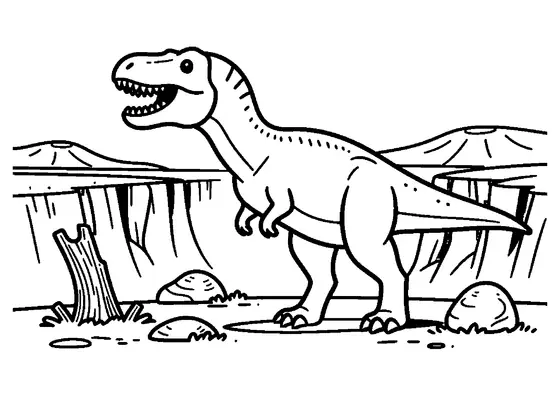
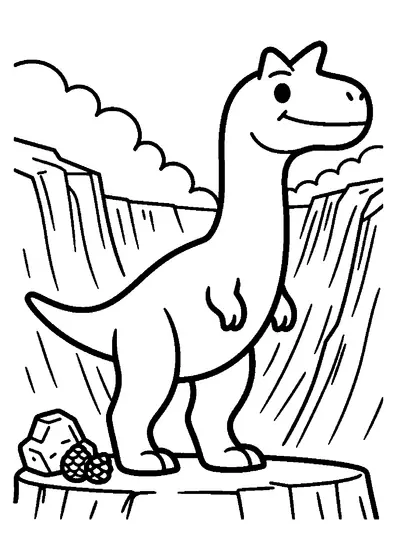
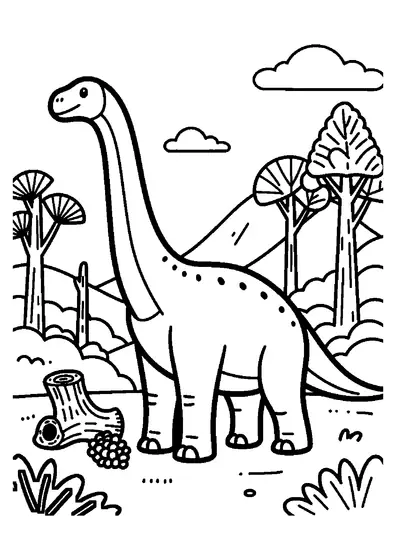
A long-tailed Tenontosaurus rests near the water at the edge of a lush floodplain swamp filled with primitive horsetail plants.

A4 format (landscape), black outlines on a white background · for home and classroom use
All coloring pages: Dinosaur Coloring Pages
Similar coloring pages: Dinosaur Coloring Pages
What else can you print? Free, no account needed
Custom Name Coloring Pages
Enter your child's name to generate a custom coloring page featuring large outline letters to color and decorate.
Open generator →Connect the Dots Generator
Eight connect-the-dots pictures across three difficulty levels. Features faint outline guides for younger children and dots only for older kids.
Open generator →Printables
Worksheets, tracing lines, mazes and dot-to-dots in A4.
Browse printables →
Tenontosaurus in a Prehistoric Floodplain Swamp
Tenontosaurus was an herbivorous dinosaur characterized by its exceptionally long, stiffened tail. This illustration depicts the creature positioned beside a quiet swamp environment populated by ancient horsetail vegetation thriving in wet soil.
Unique Characteristics of Tenontosaurus
Tenontosaurus lived during the Early Cretaceous period in marshy coastal environments across North America. Its tail was reinforced by strong tendons, making up more than half of the dinosaur's total length of twenty feet. Fossils of Tenontosaurus are frequently found near remains of the predator Deinonychus, indicating it was a primary prey species.
Realistic Colors for Tenontosaurus and Swamp Flora
- Tenontosaurus hide: olive green, muddy brown, and light yellow-gray
- Horsetail plants: vibrant emerald green, deep forest green, and brown stems
- Swamp water: murky brown, dark blue-green, and reflective gray
- Floodplain mud and soil: dark clay, silt brown, and damp earth