
Ichthyosaur in a Sunken Canyon
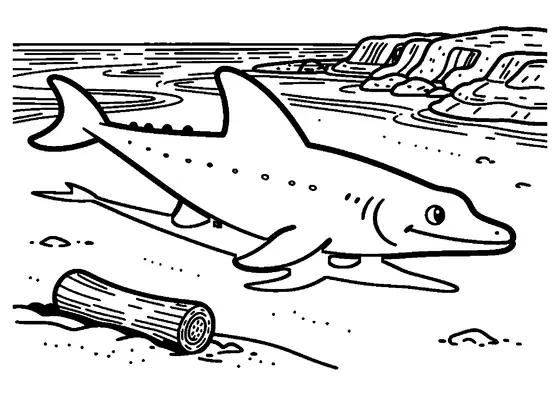
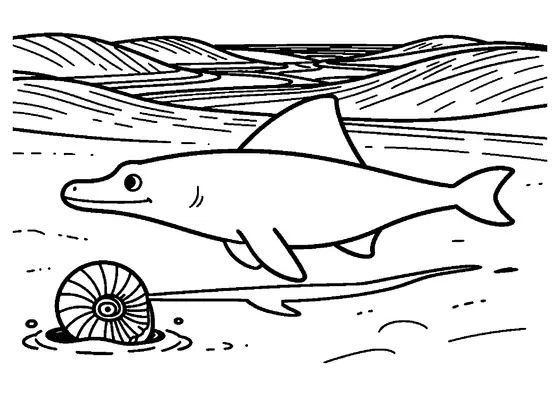
A dolphin-like ichthyosaur navigates through a deep underwater gorge bordered by towering rock walls, seashells, and submerged wood.

A4 format (portrait), black outlines on a white background · for home and classroom use
All coloring pages: Flying and Sea Reptile Coloring Pages
Similar coloring pages: Flying and Sea Reptile Coloring Pages


What else can you print? Free, no account needed
Custom Name Coloring Pages
Enter your child's name to generate a custom coloring page featuring large outline letters to color and decorate.
Open generator →Connect the Dots Generator
Eight connect-the-dots pictures across three difficulty levels. Features faint outline guides for younger children and dots only for older kids.
Open generator →Printables
Worksheets, tracing lines, mazes and dot-to-dots in A4.
Browse printables →
The Ichthyosaur Navigating a Deep Ocean Canyon
Swimming between steep rock walls, an ichthyosaur moves through the sheltered corridor of a sunken ocean canyon. The underwater landscape includes prehistoric shells resting along the rocky floor alongside a broad fallen log that drifted into the marine channel.
Remarkable Features of Prehistoric Sea Canyons
Submerged marine canyons formed over millions of years as ocean currents and ancient river channels carved deep pathways through coastal rock formations. These underwater valleys collected drifting organic material like fallen wood, creating rich feeding grounds for predatory sea reptiles.
Natural Colors of Ichthyosaurs and Submerged Canyons
- Ichthyosaur skin: dark gray or brownish black on back, shading to creamy white on the stomach
- Ichthyosaur flippers: dark slate gray or deep ocean blue
- Prehistoric shells: pale cream, chalky tan, or warm ochre
- Submerged log: dark charcoal brown, waterlogged gray, or deep muddy brown
- Canyon rock walls: dark granite gray, muted brown, or mossy green-gray