
Ichthyosaur beneath a Limestone Arch
A sleek ocean reptile passes under a towering underwater limestone structure on the ancient seabed.

A4 format (portrait), black outlines on a white background · for home and classroom use
All coloring pages: Flying and Sea Reptile Coloring Pages
Similar coloring pages: Flying and Sea Reptile Coloring Pages
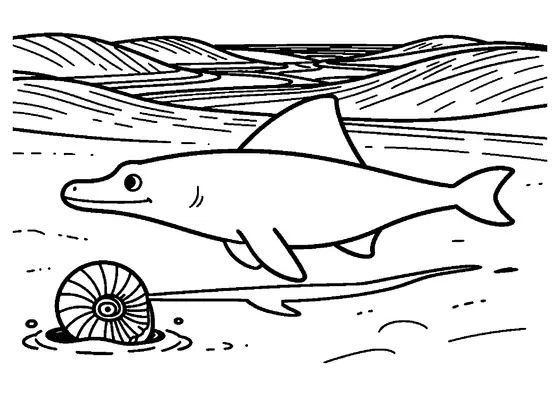

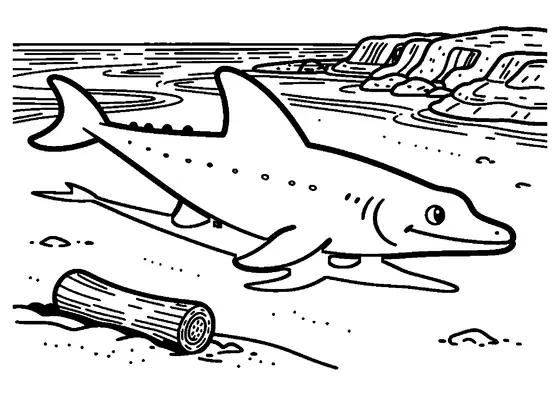


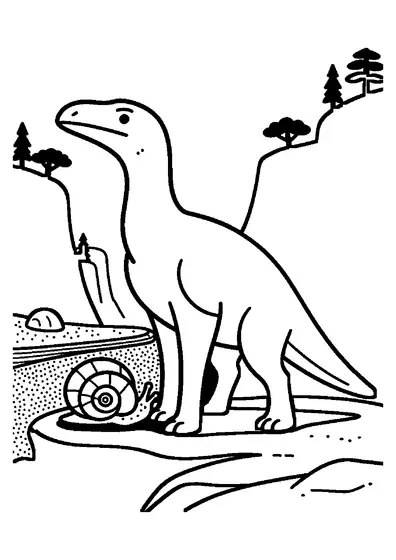
What else can you print? Free, no account needed
Custom Name Coloring Pages
Enter your child's name to generate a custom coloring page featuring large outline letters to color and decorate.
Open generator →Connect the Dots Generator
Eight connect-the-dots pictures across three difficulty levels. Features faint outline guides for younger children and dots only for older kids.
Open generator →Printables
Worksheets, tracing lines, mazes and dot-to-dots in A4.
Browse printables →
Ichthyosaur Passing an Underwater Rock Arch
In a vertical composition showing the full animal alongside a tall stone formation, an ichthyosaur swims beneath a natural submerged limestone arch. The ocean floor around the rock bridge features a large boulder and an isolated shell resting on the sand.
Ocean Science Facts About Submerged Limestone Arches
Underwater limestone arches formed over centuries as acidic water carved pathways through soft sedimentary rock before sea levels rose. Natural stone bridges offered shelter to fast-swimming prehistoric marine animals seeking protection from oceanic waves.
Natural Colors of the Ichthyosaur and Sea Floor
- Ichthyosaur body: dark blue-gray or charcoal on top with a pale gray belly
- Limestone arch: light gray, beige, or warm ivory
- Seabed boulder: deep granite gray or mossy green
- Ancient shell: muted peach, cream, or brownish-white