
Crested Tapejara on a Desert Rock
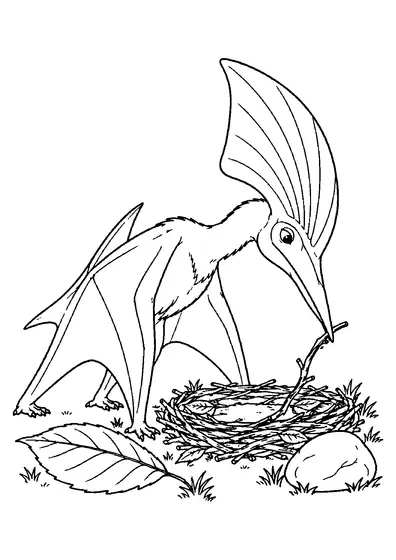
A crested Tapejara perches on an arid desert rock next to an ancient cycad plant.

A4 format (portrait), black outlines on a white background · for home and classroom use
All coloring pages: Flying and Sea Reptile Coloring Pages
Similar coloring pages: Flying and Sea Reptile Coloring Pages


What else can you print? Free, no account needed
Custom Name Coloring Pages
Enter your child's name to generate a custom coloring page featuring large outline letters to color and decorate.
Open generator →Connect the Dots Generator
Eight connect-the-dots pictures across three difficulty levels. Features faint outline guides for younger children and dots only for older kids.
Open generator →Printables
Worksheets, tracing lines, mazes and dot-to-dots in A4.
Browse printables →
Crested Tapejara in a Desert Landscape
A Tapejara characterized by a large fan-shaped head crest perches atop a desert rock. Growing beside the stone is a hardy cycad, creating a dry prehistoric habitat scene.
Distinctive Features of the Tapejara
Tapejara lived during the Early Cretaceous period and possessed a dramatic head crest made partly of bone and soft tissue. Researchers believe this large fan structure acted as a visual signal to communicate with other members of its species across open landscapes.
Authentic Color Tones for Desert Pterosaurs
- Fan-shaped head crest: vibrant coral, yellow, or crimson red display patterns
- Tapejara body skin: light dusty brown, tan, or pale sandy gray
- Desert rock: warm ochre, reddish sandstone, or sun-bleached granite tone
- Cycad fronds: tough dark green or brownish-olive green leaves
- Cycad trunk: rough dark brown or charcoal bark texture