
Ichthyosaurus Swimming Among Icebergs
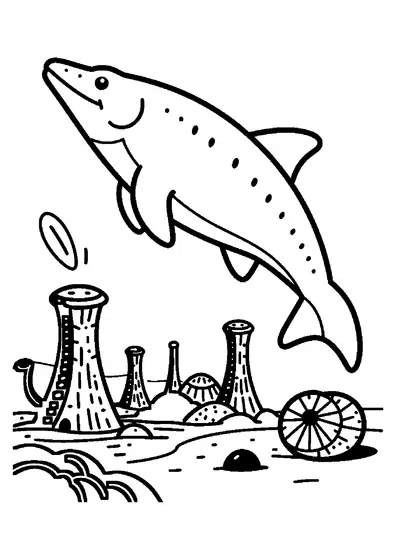
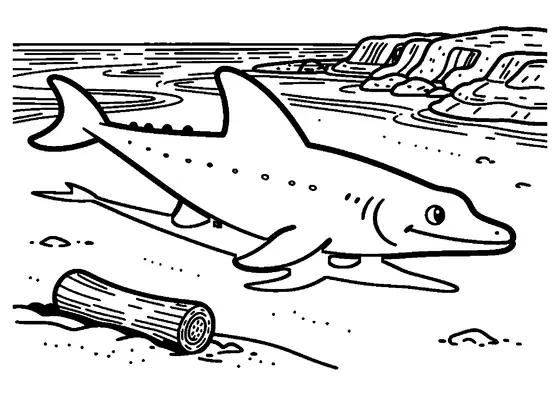
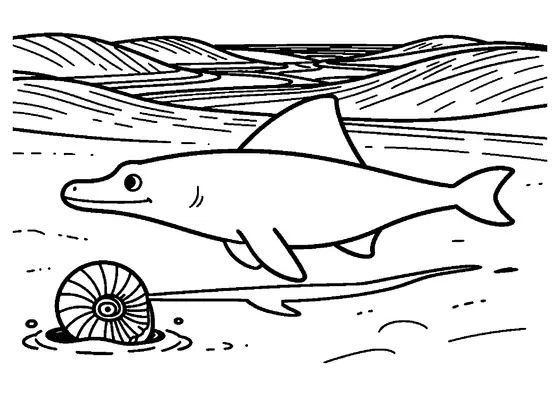
A dolphin-shaped marine reptile glides through a cold sea channel bordered by submerged iceberg walls.

A4 format (landscape), black outlines on a white background · for home and classroom use
All coloring pages: Flying and Sea Reptile Coloring Pages
Similar coloring pages: Flying and Sea Reptile Coloring Pages



What else can you print? Free, no account needed
Custom Name Coloring Pages
Enter your child's name to generate a custom coloring page featuring large outline letters to color and decorate.
Open generator →Connect the Dots Generator
Eight connect-the-dots pictures across three difficulty levels. Features faint outline guides for younger children and dots only for older kids.
Open generator →Printables
Worksheets, tracing lines, mazes and dot-to-dots in A4.
Browse printables →
Polar Sea Environment of the Ichthyosaurus
A sleek ichthyosaurus swims through a chilly ocean channel. Massive submerged iceberg blocks and towering ice walls define the frozen marine surroundings.
Survival in Prehistoric Cold Seas
Ichthyosaurs were remarkably adapted to cold ocean environments due to their streamlined bodies and thick skin layers. Their large eyes helped them hunt in deep, dark waters and near frozen ice formations where sunlight was limited. These reptiles traveled vast distances across prehistoric oceans, following schools of fish and squid through polar sea routes.
Colors of Polar Ocean Animals and Ice
- Ichthyosaurus hide: Dark slate gray, deep blue, or charcoal along the back with a lighter pale belly
- Iceberg ice blocks: Pale blue, turquoise, icy white, and soft sky blue
- Deep ocean channel: Dark indigo, navy, or cool cobalt blue