
Dsungaripterus at the Edge of a Sandstone Ravine
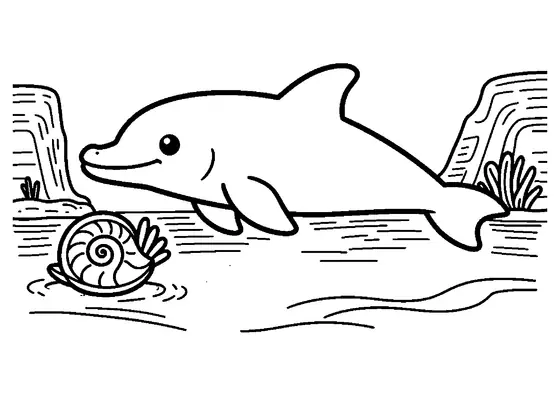
A sturdy Dsungaripterus stands on a rocky outcrop inside a rugged sandstone ravine.

A4 format (portrait), black outlines on a white background · for home and classroom use
All coloring pages: Flying and Sea Reptile Coloring Pages
Similar coloring pages: Flying and Sea Reptile Coloring Pages

What else can you print? Free, no account needed
Custom Name Coloring Pages
Enter your child's name to generate a custom coloring page featuring large outline letters to color and decorate.
Open generator →Connect the Dots Generator
Eight connect-the-dots pictures across three difficulty levels. Features faint outline guides for younger children and dots only for older kids.
Open generator →Printables
Worksheets, tracing lines, mazes and dot-to-dots in A4.
Browse printables →
Dsungaripterus in a Ravine Environment
This scene shows Dsungaripterus positioned near a sandstone ravine alongside rocky terrain and shell debris. Unlike many ocean-dwelling pterosaurs, Dsungaripterus lived in inland lake basins and river gorges cut through sandstone formations.
Shell-Crushing Adaptations of Dsungaripterus
Dsungaripterus possessed a thick skull with a pointed, slightly upturned beak tip devoid of teeth, perfect for prying snail shells off rocks. Behind the tip, its jaws were fitted with flat, knobby teeth designed for crushing hard mollusk shells and crustacean armor. The strong jaw muscles and reinforced bone structure allowed it to crack open tough freshwater snails found along rocky ravine beds.
Colors of Dsungaripterus and Sandstone
- Upcurved beak tip: Pale horn-yellow or dull ivory keratin sheath
- Head crest and skull: Earthy reddish-brown or dark slate gray skin
- Leather wings: Dusty tan or muted brown blending with arid sandstone rocks
- Sandstone ravine rocks: Layered orange, tan, and reddish-brown mineral strata