
Nyctosaurus Flying Above a Volcanic Crater Lake
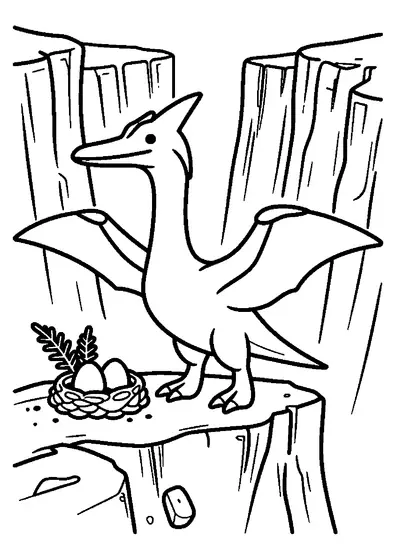
An ancient Nyctosaurus soars through the air high above a serene water-filled volcanic crater.

A4 format (portrait), black outlines on a white background · for home and classroom use
All coloring pages: Flying and Sea Reptile Coloring Pages
Similar coloring pages: Flying and Sea Reptile Coloring Pages



What else can you print? Free, no account needed
Custom Name Coloring Pages
Enter your child's name to generate a custom coloring page featuring large outline letters to color and decorate.
Open generator →Connect the Dots Generator
Eight connect-the-dots pictures across three difficulty levels. Features faint outline guides for younger children and dots only for older kids.
Open generator →Printables
Worksheets, tracing lines, mazes and dot-to-dots in A4.
Browse printables →
Nyctosaurus Gliding Over a Volcanic Lake
High in the sky, a Nyctosaurus glides above a quiet volcanic crater lake. The flying reptile displays an extraordinary antler-like crest extending upward from the back of its skull. Below, calm waters fill the ancient volcanic basin, creating a distinctive landscape where geothermal activity once shaped the surrounding terrain.
Volcanic Crater Lakes in Prehistoric Landscapes
Volcanic crater lakes form when rain and runoff gradually fill the caldera left behind after a major volcanic eruption. These deep, nutrient-rich bodies of water often attracted flying reptiles looking for fish along calm shores. The elevated cliffs surrounding crater lakes provided ideal launch points for thermal soaring.
Real World Colors of Flying Reptiles and Volcanic Features
- Nyctosaurus crest: Warm ochre, dark brown, and muted reddish tones along the bone structure
- Wing membranes: Leathery tan, slate gray, or dark brown with subtle patterns
- Crater lake water: Deep emerald green or cobalt blue due to dissolved minerals
- Volcanic rock formations: Charcoal black, dark gray, and reddish-brown basalt