
Tupandactylus Beside a Prehistoric River
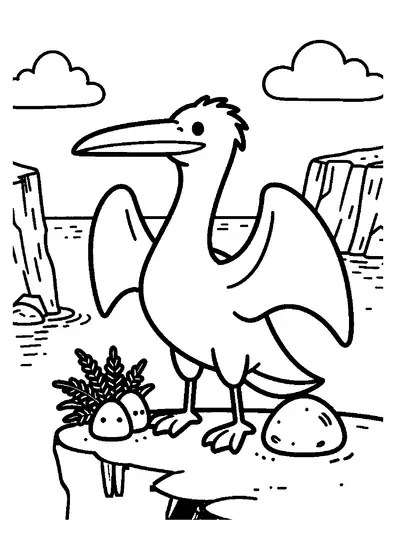
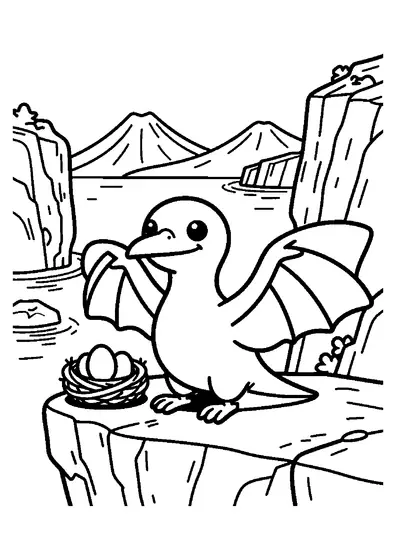
A Tupandactylus with a prominent head crest settles on a riverbank rock surrounded by lush ferns and ancient cycads.

A4 format (portrait), black outlines on a white background · for home and classroom use
All coloring pages: Flying and Sea Reptile Coloring Pages
Similar coloring pages: Flying and Sea Reptile Coloring Pages
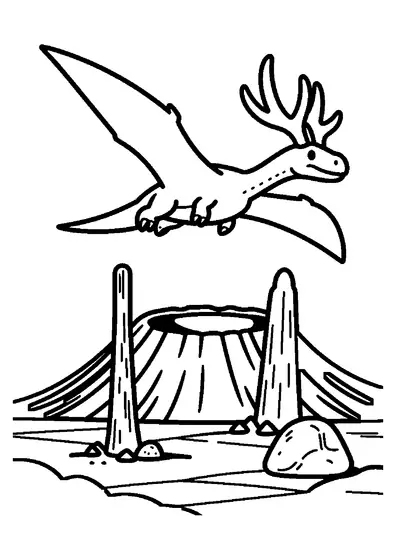

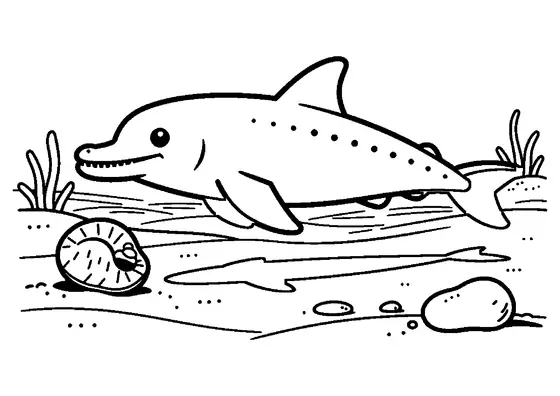

What else can you print? Free, no account needed
Custom Name Coloring Pages
Enter your child's name to generate a custom coloring page featuring large outline letters to color and decorate.
Open generator →Connect the Dots Generator
Eight connect-the-dots pictures across three difficulty levels. Features faint outline guides for younger children and dots only for older kids.
Open generator →Printables
Worksheets, tracing lines, mazes and dot-to-dots in A4.
Browse printables →
Tupandactylus resting along a prehistoric riverbank
A Tupandactylus perches on a firm rock positioned beside a quiet prehistoric river. Surrounding the creature are ancient plants, including spreading ferns and cycads growing along the sandy shoreline.
Fascinating details about Tupandactylus
Tupandactylus is famous among flying reptiles for possessing an enormously oversized head crest made mostly of soft tissue supported by bony struts. This huge crest likely played an important role in communication, species recognition, and attracting mates along ancient waterways.
Real-world colors of Tupandactylus and its habitat
- Tupandactylus head crest: vibrant red, yellow, or patterned display colors
- Tupandactylus skin and wings: warm brown, tan, or gray tones
- Riverbank rock: dark gray or brownish-red sandstone
- Ferns and cycads: rich deep green or emerald shades
- River water: murky brown, green, or reflective blue