
African Animal Coloring Pages
African animal coloring pages for kids ages 6 to 10: lions, elephants, giraffes, zebras, rhinos, gorillas and more in real African landscapes, free to print.
155 coloring pages · page 1 of 9

Lion on a Crater Floor

Giraffe in a Mopane Woodland

Elephant on a Baobab Plain

Zebra in a Rocky Valley
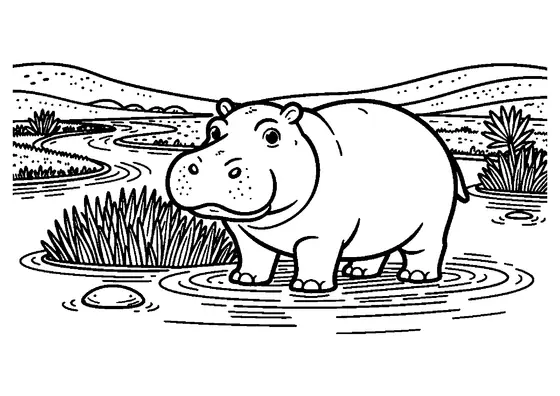
Hippo in a Papyrus Lagoon
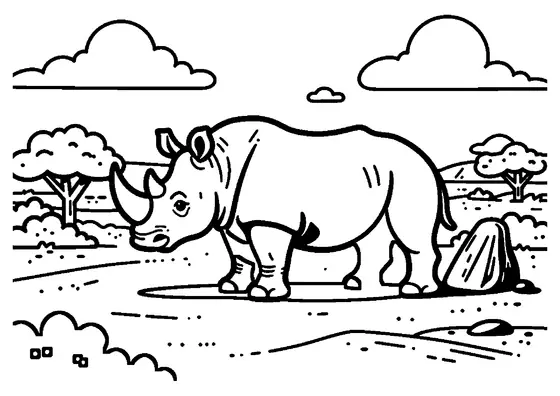
Rhino in the Thornbush
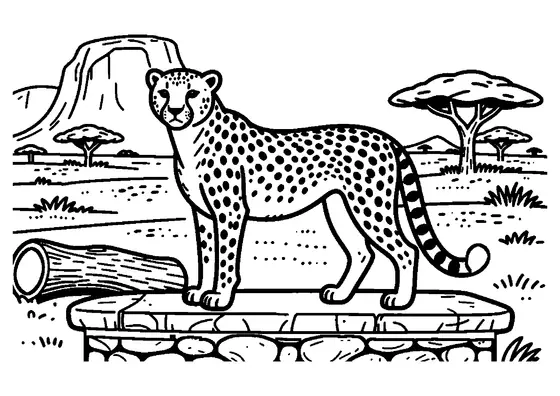
Cheetah at the Foot of a Rocky Slope
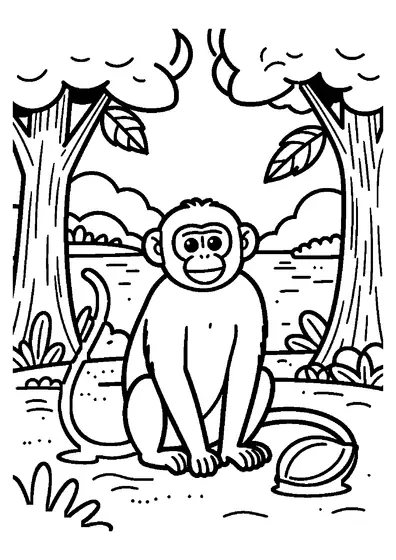
Vervet Monkey by the River
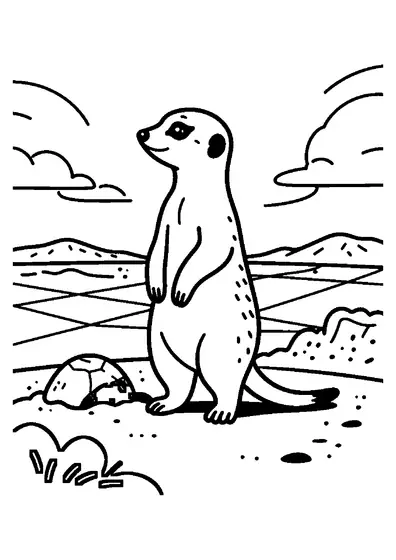
Meerkat at the Edge of a Salt Pan
- Advertisement
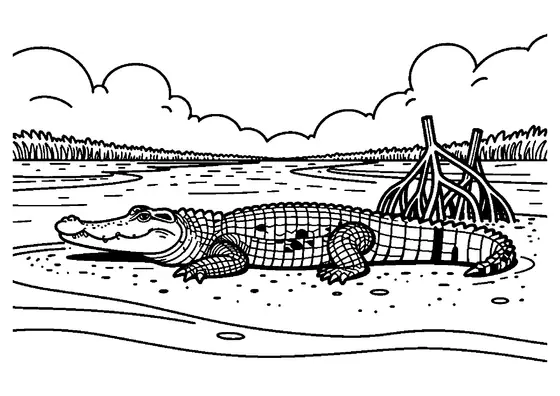
Crocodile in a Mangrove Estuary
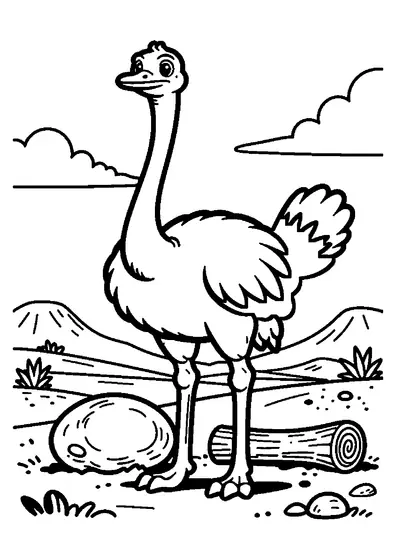
Ostrich in a Gravel Semi-Desert
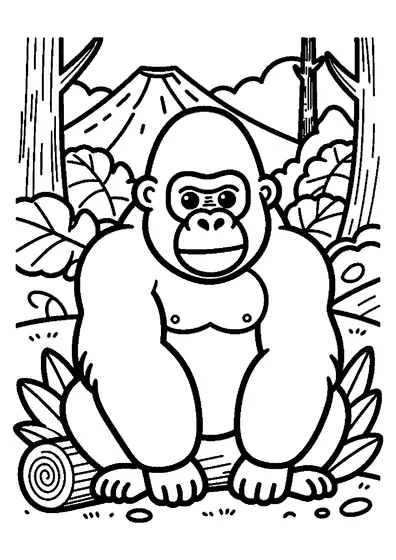
Gorilla in a Volcanic Forest Clearing
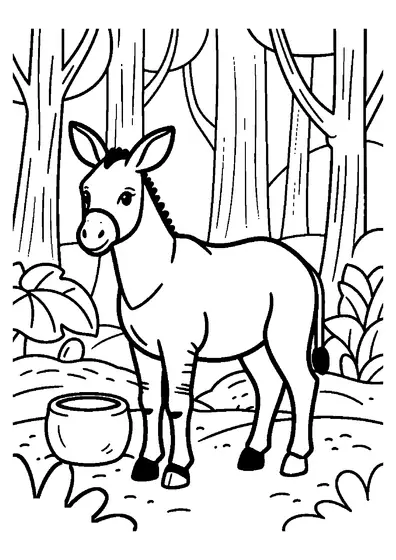
Okapi at an Ituri Forest Spring

Flamingo on Soda Lake Terraces

Secretary Bird in the Thorny Steppe

African Buffalo in a Seasonal Wetland
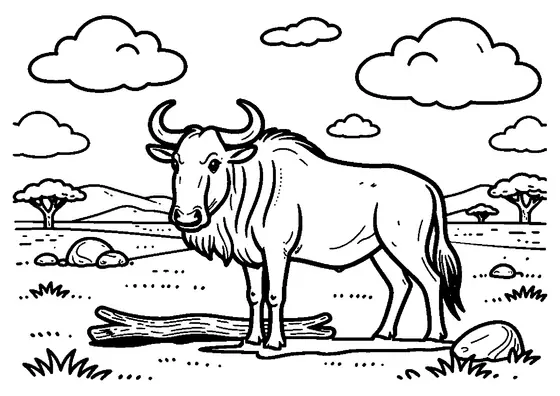
Wildebeest Before a Storm

Impala at the Forest Edge
African Animal Coloring Pages — what you will find on this page
These African animal coloring pages travel across the whole continent, from the Sahara and the Kalahari to the savannas of East Africa and the rainforests of the Congo basin. The animals are drawn realistically, so stripes, spots, manes, horns and scales look the way they do in nature. Alongside famous animals like lions, elephants and rhinos, kids will meet less familiar ones such as the pangolin, the okapi, the serval, the secretary bird and the African wild dog.
Many pages name a real place. Kids can color a lioness by a Masai Mara stream, a giraffe on the Hwange plains, an impala by a channel in Kruger, a meerkat by a Kalahari signpost, a cheetah by the Namib dunes, an ostrich on the Karoo plains and an okapi at a spring in the Ituri Forest. Other favorites include an African elephant beneath an acacia tree, a rhino on the savanna, a gorilla beside a wooden forest walkway, a Nile crocodile basking on the sand, a fennec fox among desert dunes and flamingos on soda lake terraces.
The pages are medium difficulty for kids ages 6 to 10. Clear outlines help kids stay within the lines, while fur patterns, grasses and rocky backgrounds encourage focus and patience. Coloring them practices fine motor skills and pencil grip and helps children recognize each animal's markings.
Younger kids can begin with the big, simple shapes of an elephant, a hippo or a rhino. Older kids will enjoy the zebra's stripes, the cheetah's spots and the landscapes with acacias, dunes and lakes. Pull out a map of Africa while you color and find each place named on the page.
All sheets download for free and print in crisp black and white on A4 paper, or on US Letter with "Fit to page" selected. Colored pencils and crayons work on ordinary printer paper; for felt-tip markers and watercolors, use heavier paper or cardstock.
This subcategory belongs to Wild Animal Coloring Pages, next to Woodland Animal Coloring Pages; ocean animals are waiting in Fish and Ocean Life Coloring Pages.
In short
Labugen's African animal coloring pages are free printable A4 sheets of realistic African wildlife, such as lions, elephants, giraffes, zebras, rhinos, pangolins and okapis, often set in named places like the Masai Mara, Kruger or the Kalahari. The medium-difficulty drawings are designed for kids ages 6 to 10.