
Train Across the Salt Marsh
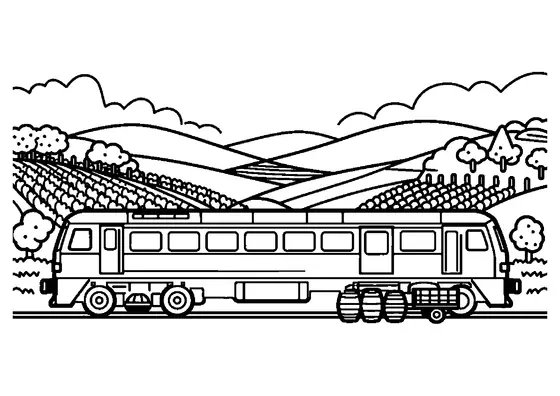
A heavy diesel locomotive navigates elevated coastal causeways that span expansive saltwater wetlands.

A4 format (landscape), black outlines on a white background · for home and classroom use
All coloring pages: Train Coloring Pages
Similar coloring pages: Train Coloring Pages


What else can you print? Free, no account needed
Custom Name Coloring Pages
Enter your child's name to generate a custom coloring page featuring large outline letters to color and decorate.
Open generator →Connect the Dots Generator
Eight connect-the-dots pictures across three difficulty levels. Features faint outline guides for younger children and dots only for older kids.
Open generator →Printables
Worksheets, tracing lines, mazes and dot-to-dots in A4.
Browse printables →
A Coastal Diesel Train Navigating Saltwater Wetlands
Diesel locomotives provide essential transport across remote coastal stretches where building electrical overhead power lines is impractical. Elevated causeways support the heavy railway tracks above wet ground, allowing trains to cross coastal salt marshes without disturbing water flow. Flat islands, tidal channels, dense marsh grasses, and open sky with scattered clouds border the track route across these coastal wetlands.
How Railway Causeways Cross Coastal Wetlands
Salt marshes experience regular ocean tides, flooding twice daily with saltwater while supporting specialized grasses adapted to saline soils. Railway causeways built across these wetlands feature large stone culverts embedded underneath the track bed, enabling tidal currents to move freely beneath the train rails.
Natural Colors of Coastal Salt Marshes and Diesel Locomotives
- Diesel engine body: Industrial yellow, deep red, or dark green painted steel
- Salt marsh water: Slate gray, murky teal, or dark ocean blue depending on depth
- Marsh grasses: Golden tan, olive green, or rust brown during colder seasons
- Coastal islands: Sandy beige soil with patches of low green vegetation
- Sky clouds: Soft white, pale gray, or light silver