
Steam Train by the Mountain Pond
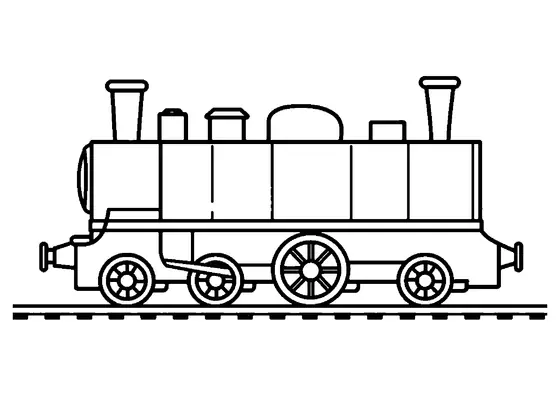
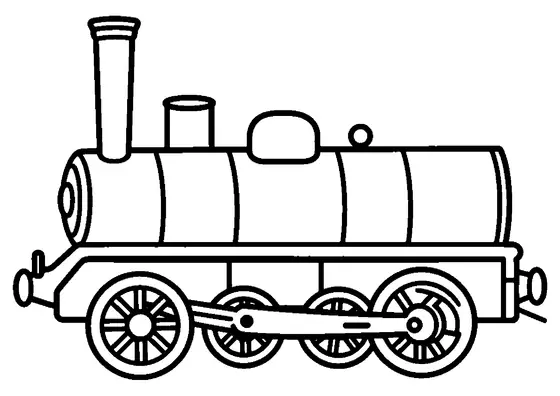
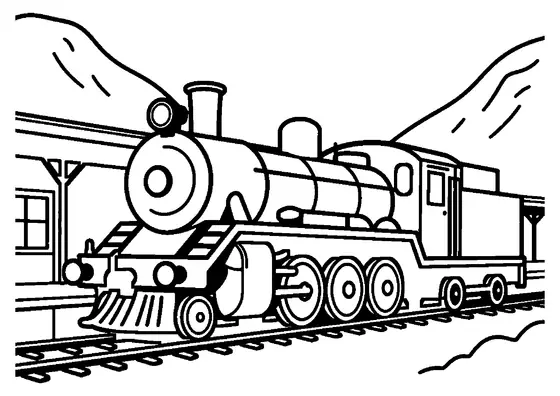
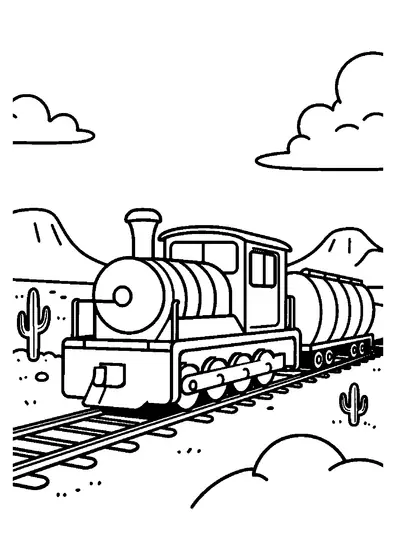
A large steam locomotive pulls a coal tender along rail tracks laid beside a quiet mountain pond.

A4 format (landscape), black outlines on a white background · for home and classroom use
All coloring pages: Train Coloring Pages
Similar coloring pages: Train Coloring Pages
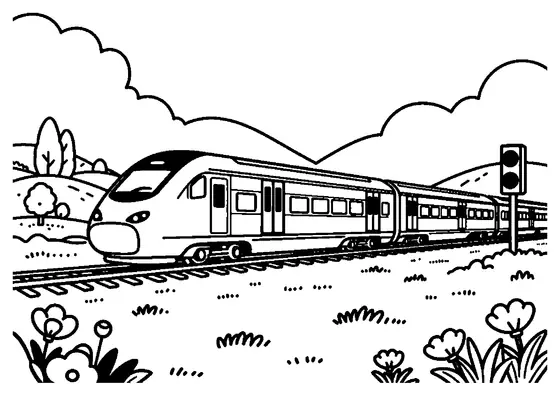
What else can you print? Free, no account needed
Custom Name Coloring Pages
Enter your child's name to generate a custom coloring page featuring large outline letters to color and decorate.
Open generator →Connect the Dots Generator
Eight connect-the-dots pictures across three difficulty levels. Features faint outline guides for younger children and dots only for older kids.
Open generator →Printables
Worksheets, tracing lines, mazes and dot-to-dots in A4.
Browse printables →
Historic Steam Locomotive near Mountain Waters
A classic steam engine operates along heavy railway tracks positioned right by a mountain pond. Attached behind the main locomotive is a tender car used for carrying fuel and water reserves. The surrounding terrain features high-altitude aquatic surroundings where the rail line follows the natural shoreline.
Mechanics of Steam Locomotives
Steam locomotives generate mechanical motion by heating water in an internal boiler using burning coal or wood. The expanding high-pressure steam pushes heavy pistons connected directly to large iron driving wheels. Tender cars were essential additions because early trains consumed thousands of gallons of water every hour to keep their boilers functioning properly.
True Colors of Steam Trains and Mountain Waters
- Locomotive boiler and cab: jet black cast iron with brass fittings
- Tender car: matte black or dark green metal plating
- Railway tracks: steel gray rails over brown wooden ties
- Mountain pond water: crystal blue or dark emerald water
- Engine wheels and pistons: metallic silver and dark gray iron