
Train Through the Reed Wetlands
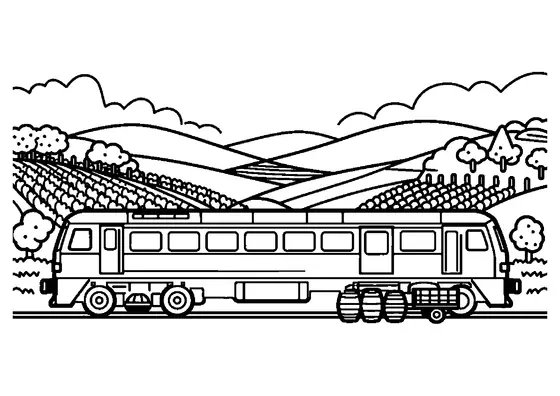
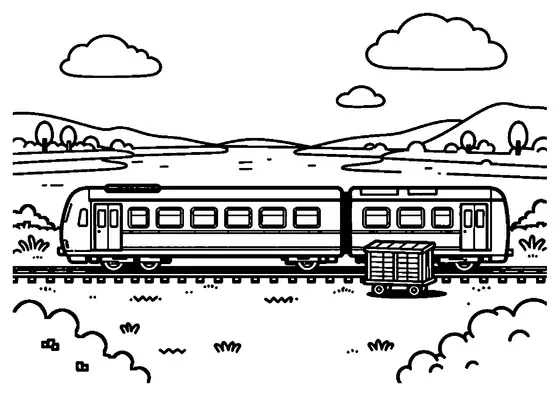
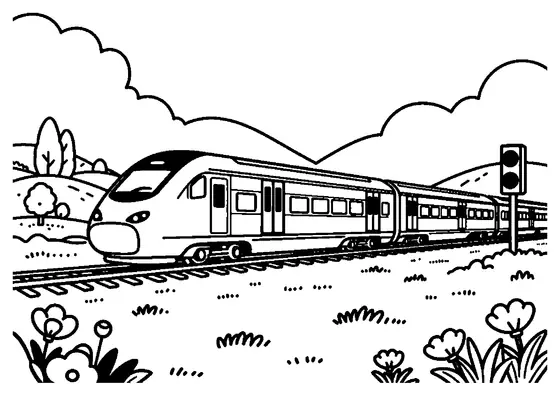
A heavy locomotive moves along railway tracks built across marshy wetlands framed by tall aquatic plants and rolling hills.

A4 format (landscape), black outlines on a white background · for home and classroom use
All coloring pages: Train Coloring Pages
Similar coloring pages: Train Coloring Pages



What else can you print? Free, no account needed
Custom Name Coloring Pages
Enter your child's name to generate a custom coloring page featuring large outline letters to color and decorate.
Open generator →Connect the Dots Generator
Eight connect-the-dots pictures across three difficulty levels. Features faint outline guides for younger children and dots only for older kids.
Open generator →Printables
Worksheets, tracing lines, mazes and dot-to-dots in A4.
Browse printables →
Diesel Locomotive Traveling Across Wetland Railways
Trains passing through wetland environments travel along raised tracks specifically engineered to remain stable over soft, marshy ground. Surrounding water channels, dense patches of reeds, and low hills create a unique natural ecosystem alongside active transport corridors.
Wild Habitats Alongside Railroad Tracks
Freshwater wetlands provide vital nesting areas for aquatic birds, which often acclimate to the rhythmic noise of passing locomotives. Specialized track beds called ballast use crushed stones to elevate rails above standing marsh water and prevent soil erosion.
Colors of a Wetland Railway Scene
- Diesel train body: bright yellow, deep red, or dark blue steel
- Wetland reeds and cattails: brownish green stalks with tan seed heads
- Marsh water surface: reflective dark blue or mossy green
- Rolling background hills: muted sage green or olive green terrain
- Railroad track gravel: dark gray or speckled granite tone