
Steam Train Wheels and Rods
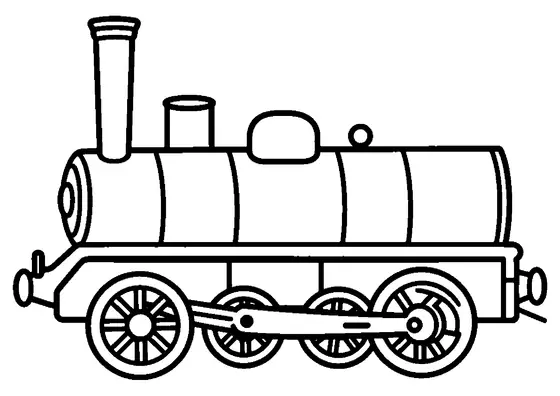
A side-profile depiction of a classic steam locomotive focuses on its massive driving wheels and mechanical connecting rods.

A4 format (landscape), black outlines on a white background · for home and classroom use
All coloring pages: Train Coloring Pages
Similar coloring pages: Train Coloring Pages



What else can you print? Free, no account needed
Custom Name Coloring Pages
Enter your child's name to generate a custom coloring page featuring large outline letters to color and decorate.
Open generator →Connect the Dots Generator
Eight connect-the-dots pictures across three difficulty levels. Features faint outline guides for younger children and dots only for older kids.
Open generator →Printables
Worksheets, tracing lines, mazes and dot-to-dots in A4.
Browse printables →
The Mechanical Structure of a Side-View Steam Locomotive
This illustration presents a full steam engine in profile, highlighting the mechanical components that propel the vehicle forward. The prominent driving wheels and heavy connecting rods form the core visual elements of this classic rail vehicle.
How Steam Locomotives Transfer Engine Power
Unlike modern electric or diesel engines, steam locomotives rely on external mechanical assemblies to turn steam pressure into rotational movement. Steam pushes pistons inside cylinders, driving heavy steel rods back and forth to turn the large wheels directly. This visible machinery allowed engineers and passengers alike to observe the physical force driving the train along the steel tracks.
Authentic Colors of Steam Engine Components
- Locomotive body: dark gray, black, or deep green
- Driving wheels: black or red with polished steel rims
- Connecting rods: unpainted steel, silver, or metallic gray
- Cab roof and boiler trim: dark charcoal or burnished brass