
Narrow Gauge Steam Engine
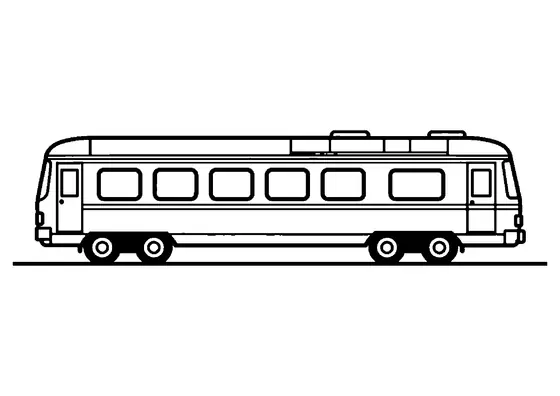
A full side view of a compact narrow-gauge steam engine highlights its tall smokestack, short boiler, and sturdy wheels.

A4 format (landscape), black outlines on a white background · for home and classroom use
All coloring pages: Train Coloring Pages
Similar coloring pages: Train Coloring Pages


What else can you print? Free, no account needed
Custom Name Coloring Pages
Enter your child's name to generate a custom coloring page featuring large outline letters to color and decorate.
Open generator →Connect the Dots Generator
Eight connect-the-dots pictures across three difficulty levels. Features faint outline guides for younger children and dots only for older kids.
Open generator →Printables
Worksheets, tracing lines, mazes and dot-to-dots in A4.
Browse printables →
The Distinct Profile of a Narrow Gauge Engine
This full side view illustrates a specialized narrow-gauge steam locomotive built for tight rail lines. The vehicle features a tall vertical smokestack, a compact cylindrical boiler, and small steel wheels designed to navigate sharp track bends.
Where Narrow Gauge Railways Were Used
Narrow-gauge railways featured tracks laid closer together than standard train tracks, making them cheaper and easier to build in rugged terrain. Mining operations, timber forests, and mountainous regions frequently relied on these smaller engines because they could manage steep gradients and narrow mountain passes with ease.
True Colors of Historical Narrow Gauge Engines
- Boiler cylinder: dark green, black, or dark blue
- Tall smokestack: soot black or dark graphite
- Cab and outer paneling: maroon, forest green, or navy blue
- Steel wheels and undercarriage: black, dark gray, or rusty brown