
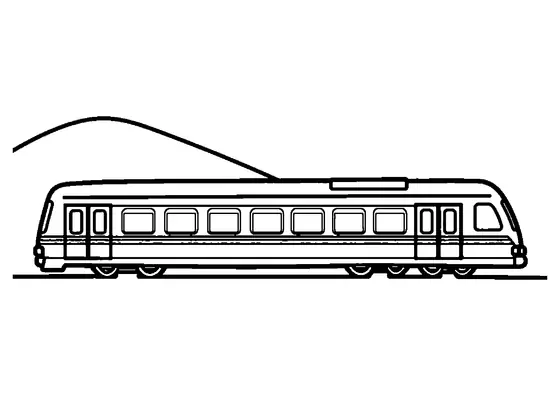
High Speed Bullet Train Front
An aerodynamic high-speed express train is captured from a front three-quarter perspective, showcasing its rounded nose and windshield.

A4 format (portrait), black outlines on a white background · for home and classroom use
All coloring pages: Train Coloring Pages
Similar coloring pages: Train Coloring Pages


What else can you print? Free, no account needed
Custom Name Coloring Pages
Enter your child's name to generate a custom coloring page featuring large outline letters to color and decorate.
Open generator →Connect the Dots Generator
Eight connect-the-dots pictures across three difficulty levels. Features faint outline guides for younger children and dots only for older kids.
Open generator →Printables
Worksheets, tracing lines, mazes and dot-to-dots in A4.
Browse printables →
The Aerodynamic Design of High-Speed Express Trains
This depiction features a modern express train from a front three-quarter angle, emphasizing its streamlined nose cone. The rounded front section, wide cab windshield, and integrated headlights illustrate the engineering approach used in modern high-speed rail transportation.
Engineering Purpose Behind Bullet Train Shapes
The elongated, bird-beak shape of bullet train noses was inspired by kingfisher beaks to reduce air resistance and prevent loud acoustic booms when entering tunnels. By dispersing high-pressure air waves smoothly, these sleek designs enable trains to maintain high velocities while reducing energy consumption.
Natural Colors of High-Speed Rail Vehicles
- Streamlined train body: clean white, metallic silver, or bright blue
- Front windshield: dark tinted glass, charcoal, or blue-gray
- Headlight assemblies: bright yellow, clear white, or silver
- Side accent stripes: vivid red, dark blue, or golden yellow