
Kentrosaurus Beside Basalt Rock Columns
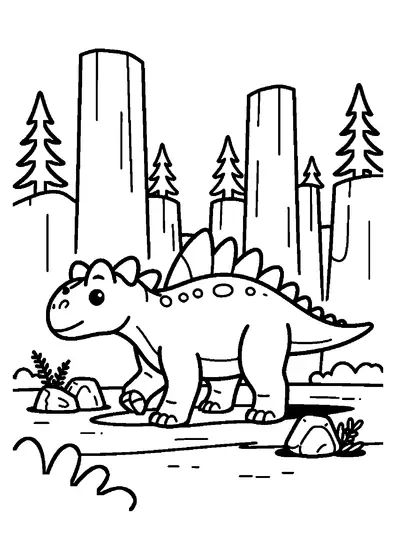
This dinosaur coloring page pairs a spiky Kentrosaurus with towering formations of basalt columns.

A4 format (portrait), black outlines on a white background · for home and classroom use
All coloring pages: Dinosaur Coloring Pages
Similar coloring pages: Dinosaur Coloring Pages



What else can you print? Free, no account needed
Custom Name Coloring Pages
Enter your child's name to generate a custom coloring page featuring large outline letters to color and decorate.
Open generator →Connect the Dots Generator
Eight connect-the-dots pictures across three difficulty levels. Features faint outline guides for younger children and dots only for older kids.
Open generator →Printables
Worksheets, tracing lines, mazes and dot-to-dots in A4.
Browse printables →
Kentrosaurus Beside the Basalt Columns
Kentrosaurus stands near tall rock columns, bringing its armored body into a rugged geological setting. This plant-eating dinosaur had plates along the forward part of its back and long spikes toward the hips and tail. The upright basalt formations create a strong contrast with the animal’s low, horizontal body shape.
Interesting Facts About Basalt and Kentrosaurus
Basalt forms when lava cools and hardens. As a thick mass of basalt contracts during cooling, it can split into striking polygonal columns. Kentrosaurus relied on vegetation for food, while the spikes on its tail probably helped protect it from predators.
Natural Colors for Kentrosaurus and Basalt
- Kentrosaurus skin: its true coloration is unknown, but brown, olive, tan, or muted gray are plausible
- Back plates: a darker earth tone or a subdued contrasting shade
- Tail and shoulder spikes: beige, brown, or dark gray, similar to horn-covered structures in living animals
- Eyes: dark brown or black
- Basalt columns: charcoal, dark gray, or nearly black, sometimes with brown weathered surfaces