
Kentrosaurus Among Basalt Rock Spires
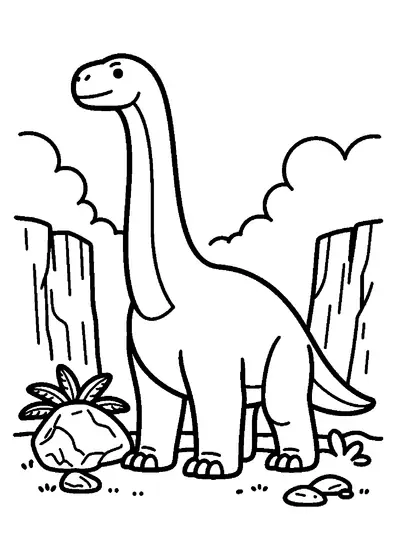
A spiky Kentrosaurus stands amid tall, geometric formations of basalt rock.

A4 format (portrait), black outlines on a white background · for home and classroom use
All coloring pages: Dinosaur Coloring Pages
Similar coloring pages: Dinosaur Coloring Pages



What else can you print? Free, no account needed
Custom Name Coloring Pages
Enter your child's name to generate a custom coloring page featuring large outline letters to color and decorate.
Open generator →Connect the Dots Generator
Eight connect-the-dots pictures across three difficulty levels. Features faint outline guides for younger children and dots only for older kids.
Open generator →Printables
Worksheets, tracing lines, mazes and dot-to-dots in A4.
Browse printables →
Kentrosaurus Among Basalt Columns
This prehistoric setting places Kentrosaurus between striking basalt formations. The dinosaur is recognized by the plates and long spikes extending along its back and tail, while the angular stone columns create a rugged landscape around it.
How Basalt Columns Form
Basalt is volcanic rock produced when lava cools and hardens. As a thick body of lava contracts during cooling, cracks can divide it into tall columns with geometric sides. These formations may later become exposed when surrounding rock is worn away.
Colors Found in Nature
- Kentrosaurus body: unknown; earthy brown, olive, rust, or muted gray are reasonable reconstructions
- Back plates: unknown; they may be colored to match the body or shown in darker natural shades
- Tail spikes: horn-like beige, brown, or gray are plausible
- Basalt columns: charcoal, dark gray, or nearly black
- Weathered basalt surfaces: medium gray, brownish gray, or rusty brown