
Siberian Psittacosaurus with a Basket of Beans
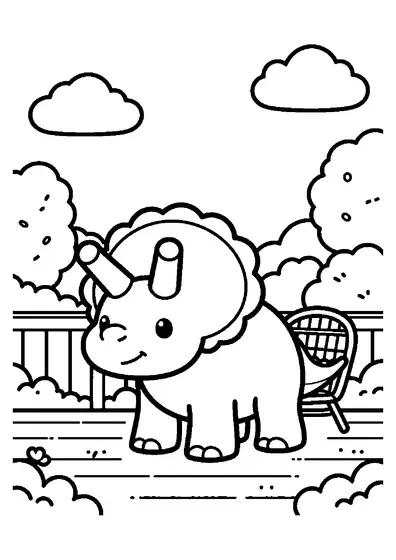
A Siberian Psittacosaurus stands beside a woven basket filled with fresh bean pods in a garden environment.

A4 format (portrait), black outlines on a white background · for home and classroom use
All coloring pages: Herbivorous Dinosaur Coloring Pages
Similar coloring pages: Herbivorous Dinosaur Coloring Pages



What else can you print? Free, no account needed
Custom Name Coloring Pages
Enter your child's name to generate a custom coloring page featuring large outline letters to color and decorate.
Open generator →Connect the Dots Generator
Eight connect-the-dots pictures across three difficulty levels. Features faint outline guides for younger children and dots only for older kids.
Open generator →Printables
Worksheets, tracing lines, mazes and dot-to-dots in A4.
Browse printables →
Siberian Psittacosaurus in the Garden
A Siberian Psittacosaurus is shown next to a large garden basket filled with bean pods. The surrounding landscape features open garden beds and quiet outdoor space.
Insights into Psittacosaurus sibiricus
Psittacosaurus, often called the parrot lizard, was a small horn-faced dinosaur that roamed Asia during the Early Cretaceous period. The Siberian species was one of the largest members of its genus, known for prominent cheek horns and a powerful beak. Its strong beak was well suited for clipping tough plant material and opening hard seed coats.
Color Suggestions for Psittacosaurus and Garden Beans
- Psittacosaurus body: Tan, rust orange, or brownish-gray
- Cheek horns and beak: Pale ivory, cream, or light tan
- Bean pods: Vibrant green, pale lime, or speckled yellow
- Woven garden basket: Warm chestnut brown or pale reed beige
- Garden soil: Rich dark brown or reddish clay earth