
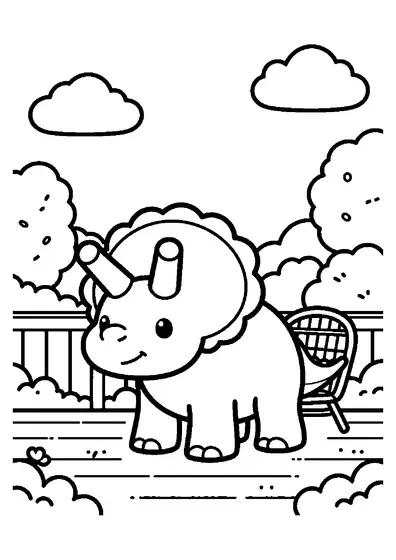
Wendiceratops with a Bunch of Celery
Surrounded by garden plant beds, a gentle Wendiceratops stands near a large bundle of crisp celery stalks.

A4 format (landscape), black outlines on a white background · for home and classroom use
All coloring pages: Herbivorous Dinosaur Coloring Pages
Similar coloring pages: Herbivorous Dinosaur Coloring Pages


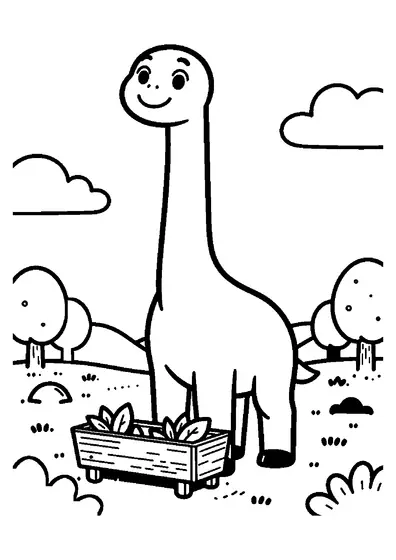
What else can you print? Free, no account needed
Custom Name Coloring Pages
Enter your child's name to generate a custom coloring page featuring large outline letters to color and decorate.
Open generator →Connect the Dots Generator
Eight connect-the-dots pictures across three difficulty levels. Features faint outline guides for younger children and dots only for older kids.
Open generator →Printables
Worksheets, tracing lines, mazes and dot-to-dots in A4.
Browse printables →
Wendiceratops in a Vegetable Garden
A gentle Wendiceratops explores a garden setting featuring wide plant beds and a large bunch of fresh celery stalks. The scene shows the horned herbivore admiring harvested garden vegetables outdoors.
Discoveries Regarding Wendiceratops and Garden Produce
Wendiceratops is one of the oldest known horned dinosaurs with a fully developed neck frill, decorated with forward-curling hook-like horns. While cultivated garden vegetables like celery are modern agricultural crops, herbivorous dinosaurs possessed tough beaks and grinding teeth ideal for processing fibrous plant stems. Celery stalks contain high water content and tough stringy fibers similar to the ancient woody shoots Wendiceratops consumed daily.
Real Colors of Wendiceratops and Fresh Celery
- Wendiceratops skin: Muted green, dusty olive, and brownish gray undertones
- Frill horns and beak: Pale beige, tan, and light bone white
- Fresh celery stalks: Light lime green, bright celery green, and white base
- Garden soil beds: Rich dark brown, dark peat black, and warm dirt tones
- Garden foliage: Forest green and leafy yellow-green shades