
Rhinorex by a Pile of Reeds
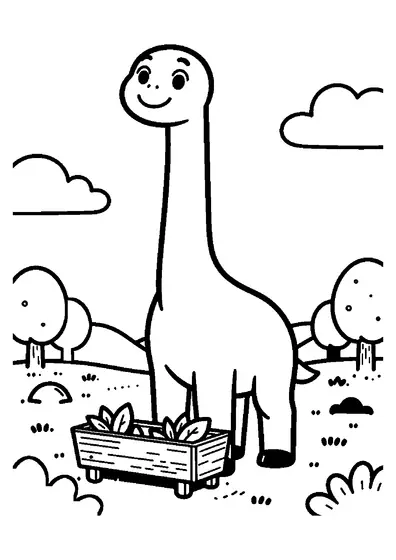
A Rhinorex rests alongside gathered wetland reeds on a peaceful shoreline by the lake.

A4 format (landscape), black outlines on a white background · for home and classroom use
All coloring pages: Herbivorous Dinosaur Coloring Pages
Similar coloring pages: Herbivorous Dinosaur Coloring Pages


What else can you print? Free, no account needed
Custom Name Coloring Pages
Enter your child's name to generate a custom coloring page featuring large outline letters to color and decorate.
Open generator →Connect the Dots Generator
Eight connect-the-dots pictures across three difficulty levels. Features faint outline guides for younger children and dots only for older kids.
Open generator →Printables
Worksheets, tracing lines, mazes and dot-to-dots in A4.
Browse printables →
Rhinorex along the Lakeside
A Rhinorex stands near a pile of gathered reeds by a quiet lake. The background includes a shoreline setting with coastal vegetation growing near the water edge.
The Remarkable Features of Rhinorex
Rhinorex was a duck-billed hadrosaur that inhabited estuarine and coastal swamp environments in North America during the Late Cretaceous period. Its name translates to king nose due to its unusually large, fleshy nasal crest structure. Living near coastal estuaries provided Rhinorex with a constant supply of soft aquatic plants and ferns.
Color Palette for Rhinorex and Wetland Reeds
- Rhinorex hide: Slate gray, moss brown, or muted olive green
- Large nose crest: Dusty pink, reddish brown, or dark yellow
- Lake reeds: Golden straw, yellowish-tan, or olive green
- Shoreline water: Soft turquoise, sky blue, or deep navy
- Lakeside sand and rocks: Light beige, charcoal gray, or warm ochre