
Iguanodon Walking Forward
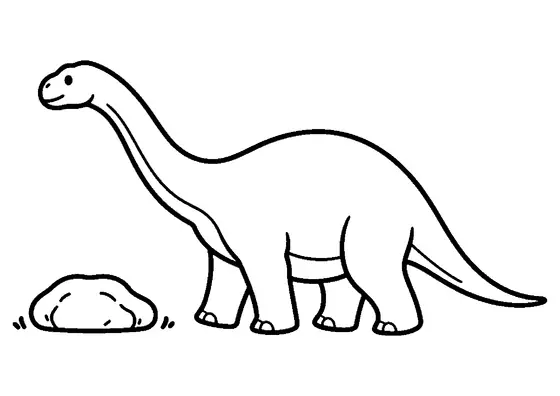
A calm Iguanodon steps forward showing its sturdy legs, distinctive beak, and prominent thumb spikes.

A4 format (portrait), black outlines on a white background · for home and classroom use
All coloring pages: Herbivorous Dinosaur Coloring Pages
Similar coloring pages: Herbivorous Dinosaur Coloring Pages



What else can you print? Free, no account needed
Custom Name Coloring Pages
Enter your child's name to generate a custom coloring page featuring large outline letters to color and decorate.
Open generator →Connect the Dots Generator
Eight connect-the-dots pictures across three difficulty levels. Features faint outline guides for younger children and dots only for older kids.
Open generator →Printables
Worksheets, tracing lines, mazes and dot-to-dots in A4.
Browse printables →
An Iguanodon on the Move
This depiction highlights a plant-eating dinosaur moving forward in a calm gait. The creature displays strong legs built for walking, a hard beak for cropping plants, and sharp spikes on its thumbs.
Interesting Facts About Iguanodon
Iguanodon was one of the very first dinosaurs ever discovered and named by scientists in the nineteenth century. Its unique thumb spikes were likely used for defense against predators or for breaking open tough seeds and bark. Fossil tracks show that these herbivores could walk on all four legs or rise up on two hind legs to travel.
Real Colors of Iguanodon
- Upper body skin: Dark brown, gray-green, or dull olive tones
- Underbelly: Pale beige or light gray
- Beak and thumb spikes: Off-white, dark gray, or horn-colored brown
- Sturdy legs and feet: Dark muddy brown or mottled gray