
Edmontosaurus by a Puddle
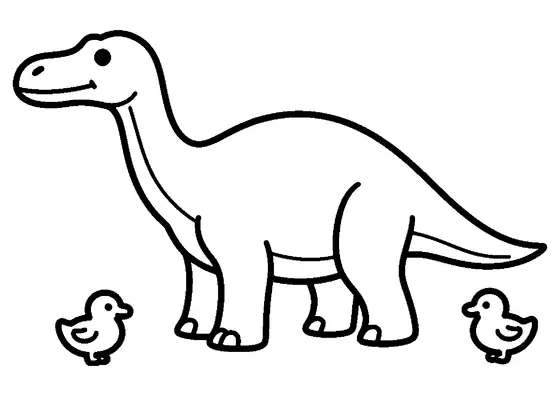
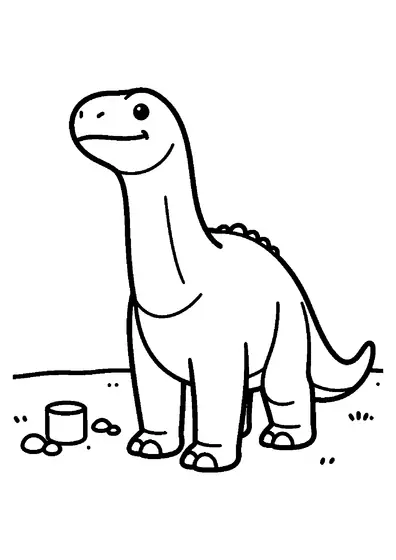
A heavy duck-billed dinosaur pauses beside a wide pool of standing water.

A4 format (landscape), black outlines on a white background · for home and classroom use
All coloring pages: Herbivorous Dinosaur Coloring Pages
Similar coloring pages: Herbivorous Dinosaur Coloring Pages




What else can you print? Free, no account needed
Custom Name Coloring Pages
Enter your child's name to generate a custom coloring page featuring large outline letters to color and decorate.
Open generator →Connect the Dots Generator
Eight connect-the-dots pictures across three difficulty levels. Features faint outline guides for younger children and dots only for older kids.
Open generator →Printables
Worksheets, tracing lines, mazes and dot-to-dots in A4.
Browse printables →
Edmontosaurus Resting Near a Shallow Water Pool
Edmontosaurus was one of the largest duck-billed dinosaurs, recognized by its broad beak and thick tail. Freshwater pools provided essential gathering spots for these massive herbivores as they grazed along river ecosystems.
Life Along Ancient Riverbanks
Fossil evidence shows that Edmontosaurus traveled in massive herds along coastal plains and river valleys in North America. Their broad, flat beaks contained thousands of tightly packed teeth designed to grind tough conifers and shoreline plants. Standing near water allowed them to drink and stay cool during warm weather across river floodplains.
Natural Palette for Edmontosaurus
- Edmontosaurus back and sides: mottled forest green and slate gray
- Broad duckbill: dark charcoal or dark brown
- Heavy tail: olive green with darker stripes
- Shallow puddle water: sky blue with muddy brown undertones