
Apatosaurus with a Picnic Basket
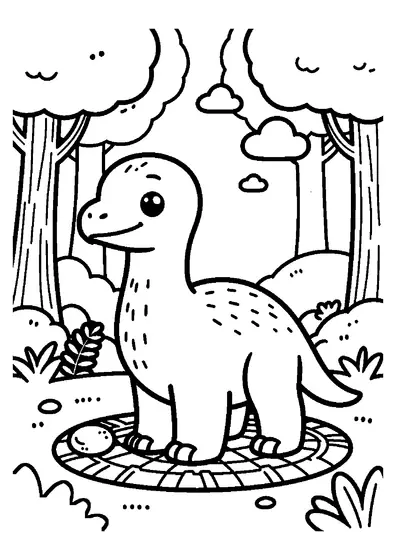
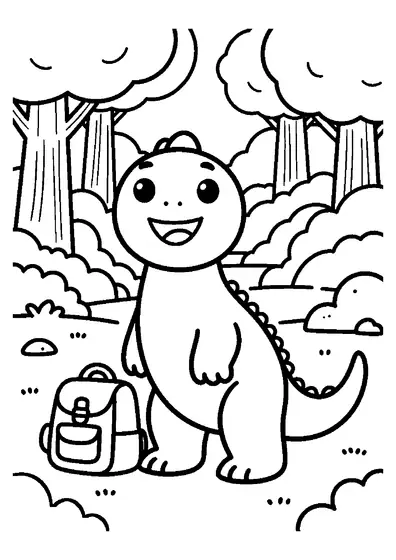
A calm apatosaurus sits peacefully in a wide meadow next to a large picnic basket.

A4 format (landscape), black outlines on a white background · for home and classroom use
All coloring pages: Herbivorous Dinosaur Coloring Pages
Similar coloring pages: Herbivorous Dinosaur Coloring Pages




What else can you print? Free, no account needed
Custom Name Coloring Pages
Enter your child's name to generate a custom coloring page featuring large outline letters to color and decorate.
Open generator →Connect the Dots Generator
Eight connect-the-dots pictures across three difficulty levels. Features faint outline guides for younger children and dots only for older kids.
Open generator →Printables
Worksheets, tracing lines, mazes and dot-to-dots in A4.
Browse printables →
A Friendly Apatosaurus Relaxing in a Meadow
A quiet apatosaurus sits in a broad meadow with a large picnic basket by its side. Surrounded by open grassy space, this giant long-necked herbivore brings a whimsical outdoor recreation theme to prehistoric life.
How Apatosaurus Foraged for Food in Open Glades
Apatosaurus was one of the largest land animals of the Jurassic period, reaching lengths of up to seventy-five feet. To maintain its enormous body mass, it spent most of its day grazing through floodplains and open forest glades. Their long necks allowed them to sweep across wide areas of low plants and ferns without moving their heavy bodies.
Real Life Colors of Apatosaurus and Picnic Accessories
- Apatosaurus hide: Slate gray, elephant brown, or dusty olive
- Underbelly: Pale cream or light tan
- Woven picnic basket: Natural straw, chestnut brown, or honey tan
- Meadow flora: Lush green grasses and scattered wildflowers