
Huayangosaurus Beside a Wooden Tub
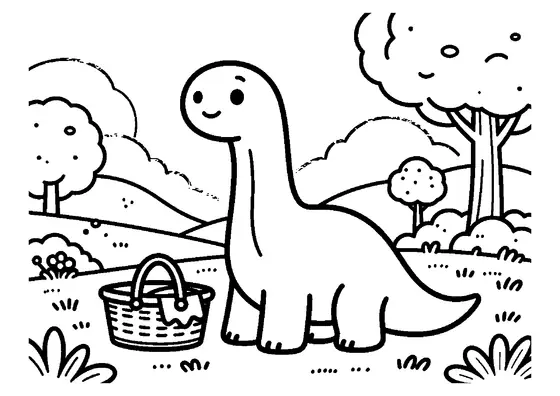
A gentle Huayangosaurus with distinct back plates stands in an open grassy clearing beside a wide wooden tub.

A4 format (portrait), black outlines on a white background · for home and classroom use
All coloring pages: Herbivorous Dinosaur Coloring Pages
Similar coloring pages: Herbivorous Dinosaur Coloring Pages


What else can you print? Free, no account needed
Custom Name Coloring Pages
Enter your child's name to generate a custom coloring page featuring large outline letters to color and decorate.
Open generator →Connect the Dots Generator
Eight connect-the-dots pictures across three difficulty levels. Features faint outline guides for younger children and dots only for older kids.
Open generator →Printables
Worksheets, tracing lines, mazes and dot-to-dots in A4.
Browse printables →
Huayangosaurus in a Woodland Meadow Scene
This outdoor landscape features a gentle Huayangosaurus resting in a grassy clearing. The plated dinosaur displays its short tail and characteristic rows of dorsal plates along its back. Placed right next to the prehistoric animal is a large, wide wooden tub resting firmly on the meadow ground.
Understanding the Unique Huayangosaurus
Huayangosaurus is one of the earliest and smallest known stegosaurs, inhabiting Middle Jurassic China millions of years ago. Unlike later stegosaurids, it possessed small spike-like teeth at the front of its jaws and broader, heart-shaped back plates. Wooden tubs have been built by humans for thousands of years using interlocking timber staves held together by metal or wooden hoops.
Authentic Color Palette for Huayangosaurus
- Huayangosaurus body: Earthy gray, olive green, or terracotta brown
- Back plates: Warm ochre, dark brown, or dusty yellow
- Wooden tub: Chestnut brown, weathered gray wood, and dark iron bands
- Grassy clearing: Vibrant spring green, olive grass, and pale yellow-green