
Quetzalcoatlus on a Stone Plateau
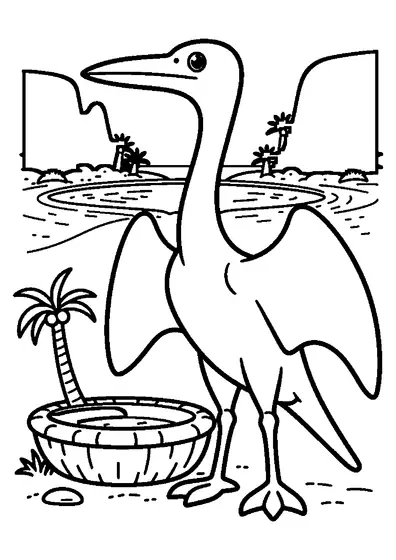
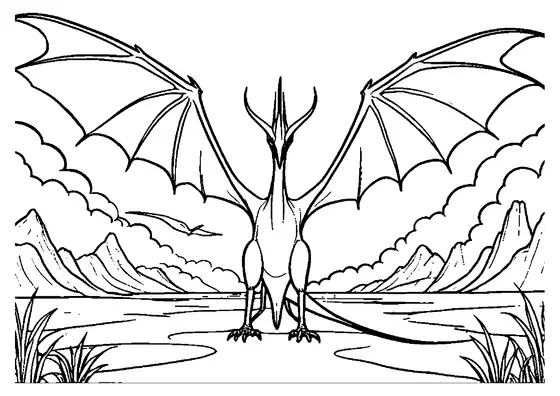
A giant flying reptile perches on a high stone plateau surrounded by terraced cliffs after a fresh rainstorm.

A4 format (portrait), black outlines on a white background · for home and classroom use
All coloring pages: Flying and Sea Reptile Coloring Pages
Similar coloring pages: Flying and Sea Reptile Coloring Pages




What else can you print? Free, no account needed
Custom Name Coloring Pages
Enter your child's name to generate a custom coloring page featuring large outline letters to color and decorate.
Open generator →Connect the Dots Generator
Eight connect-the-dots pictures across three difficulty levels. Features faint outline guides for younger children and dots only for older kids.
Open generator →Printables
Worksheets, tracing lines, mazes and dot-to-dots in A4.
Browse printables →
Quetzalcoatlus on High Rock Formations
A monumental Quetzalcoatlus stands with its enormous wings spread on an exposed stone plateau after the rain. High cliffs and terraced rock formations create an open, elevated background.
Inland Habitats of Giant Azhdarchids
Unlike many smaller pterosaurs that lived strictly along sea coasts, Quetzalcoatlus often inhabited inland floodplains and high rocky plateaus. Its long neck and stork-like beak allowed it to stalk terrestrial environments on four legs, hunting small land animals and freshwater prey. High rock terraces provided ideal launch sites for taking off into thermal wind currents.
Colors of Rainy Plateau Landscapes
- Quetzalcoatlus skin and crest: Sandy beige, warm ochre, or pale russet
- Wet stone plateau: Dark slate gray, damp sandstone brown, or rain-soaked tan
- Terraced cliffs: Terracotta orange, layered tan, and dark mountain gray