
Quetzalcoatlus at a Desert Oasis
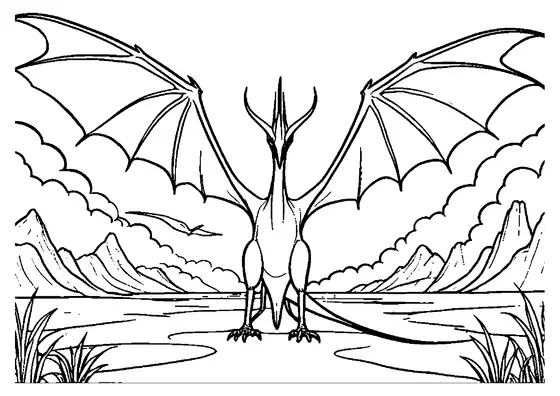
A giant prehistoric pterosaur stands near a calm desert waterhole surrounded by arid stone and parched terrain.

A4 format (portrait), black outlines on a white background · for home and classroom use
All coloring pages: Flying and Sea Reptile Coloring Pages
Similar coloring pages: Flying and Sea Reptile Coloring Pages


What else can you print? Free, no account needed
Custom Name Coloring Pages
Enter your child's name to generate a custom coloring page featuring large outline letters to color and decorate.
Open generator →Connect the Dots Generator
Eight connect-the-dots pictures across three difficulty levels. Features faint outline guides for younger children and dots only for older kids.
Open generator →Printables
Worksheets, tracing lines, mazes and dot-to-dots in A4.
Browse printables →
Quetzalcoatlus at an Arid Oasis
A massive Quetzalcoatlus stands positioned at an angle beside a desert oasis pool. Surrounding the quiet body of water are scattered boulders, jagged rock formations, and cracked earth dried by desert heat. The creature rests on four limbs beside the isolated water source.
Remarkable Facts About Quetzalcoatlus
Quetzalcoatlus was one of the largest flying animals known to have ever lived, standing as tall as a modern giraffe on land. Unlike marine pterosaurs, it hunted on solid ground across inland environments, stalked prey through prehistoric plains, and visited oases for freshwater.
Authentic Colors of Desert Environments
- Quetzalcoatlus skin and hide: Sandy tan, dusty brown, or mottled slate gray
- Crest and beak accent: Ochre yellow, rust red, or dark clay tint
- Oasis water: Deep teal, blue, or muddy greenish brown
- Cracked ground: Pale buff, reddish brown, and sun-baked earth tones
- Desert rocks: Warm sandstone yellow, burnt orange, and grayish brown