
Ichthyosaurus over Hydrothermal Vents
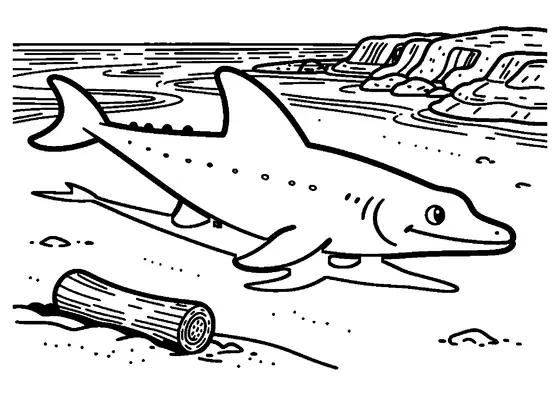
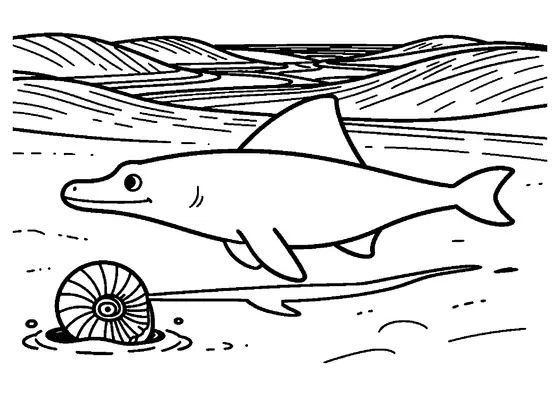
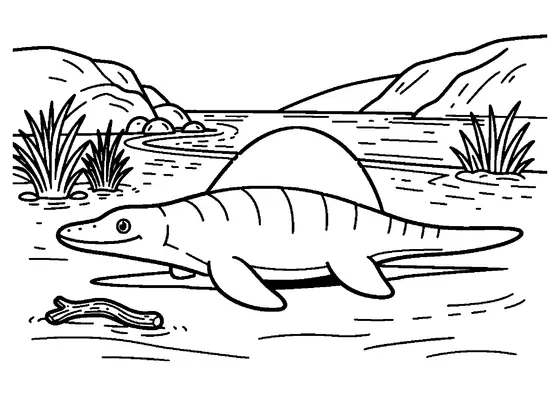
A sleek marine reptile observed from above swims over a dark seabed dominated by massive hydrothermal vent chimneys.

A4 format (portrait), black outlines on a white background · for home and classroom use
All coloring pages: Flying and Sea Reptile Coloring Pages
Similar coloring pages: Flying and Sea Reptile Coloring Pages



What else can you print? Free, no account needed
Custom Name Coloring Pages
Enter your child's name to generate a custom coloring page featuring large outline letters to color and decorate.
Open generator →Connect the Dots Generator
Eight connect-the-dots pictures across three difficulty levels. Features faint outline guides for younger children and dots only for older kids.
Open generator →Printables
Worksheets, tracing lines, mazes and dot-to-dots in A4.
Browse printables →
Ichthyosaurus Observed Above Deep Hydrothermal Vents
The illustration presents an Ichthyosaurus viewed from an aerial angle as it glides over the deep ocean floor. Large hydrothermal mineral chimneys stand out against the abyssal seafloor below.
Hydrothermal Vents in Prehistoric Oceans
Hydrothermal vents are underwater geysers that spew superheated, mineral-rich water from beneath Earth's crust into the cold ocean depths. Although these extreme environments exist in dark deep-sea trenches, they support unique ecosystems teeming with specialized marine life. Ichthyosaurs likely hunted near active vent zones where warm water currents supported dense marine organisms.
Authentic Colors of Deep Sea Vents and Ichthyosaurs
- Ichthyosaurus dorsal skin: dark gray, navy blue, or brownish black to blend with dark sea depths
- Ichthyosaurus belly: pale silver-gray or whitish tan
- Hydrothermal vent chimneys: dark rust red, iron brown, and charcoal black mineral deposits
- Deep seafloor sediment: dark brownish gray, black sand, and muted volcanic silt