
Narrow-Gauge Train in a Meadow
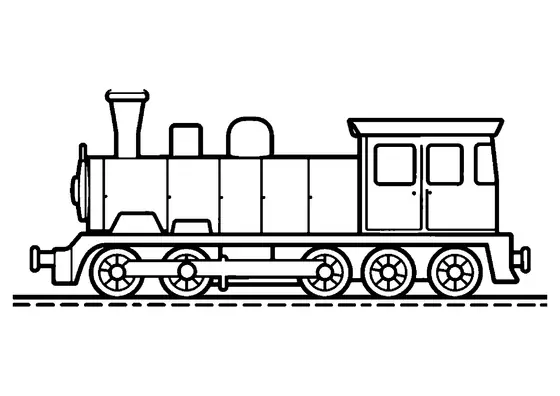
A small narrow-gauge steam locomotive equipped with a smokestack travels down a straight track bordered by meadow grass.

A4 format (landscape), black outlines on a white background · for home and classroom use
All coloring pages: Train Coloring Pages
Similar coloring pages: Train Coloring Pages



What else can you print? Free, no account needed
Custom Name Coloring Pages
Enter your child's name to generate a custom coloring page featuring large outline letters to color and decorate.
Open generator →Connect the Dots Generator
Eight connect-the-dots pictures across three difficulty levels. Features faint outline guides for younger children and dots only for older kids.
Open generator →Printables
Worksheets, tracing lines, mazes and dot-to-dots in A4.
Browse printables →
Narrow-Gauge Engines in Rural Landscapes
Narrow-gauge railways feature tracks built closer together than standard railroad lines, making them suitable for rural routes and historic parks. This small steam locomotive features a classic top smokestack as it travels along a straight line of rails past meadow grass.
The Role of Narrow-Gauge Railroads
Historically, narrow-gauge tracks were cheaper and faster to construct in countryside areas, forests, and remote valleys because they required smaller earthworks and tighter turning radii. Smaller locomotives operating on these lines carried timber, agricultural goods, and local passengers between small rural towns. Today, many remaining narrow-gauge lines operate as heritage railways preserved for scenic travel.
Natural Colors of Rural Steam Engines
- Boiler and cab body: dark green, maroon red, or classic black
- Smokestack: matte black iron
- Track rails: silver-gray steel tops with rusty brown sides
- Meadow grass along track: light green, olive, or dry golden yellow
- Wheels and undercarriage: dark red or graphite gray