
Rocket on the Shell Rock Plateau
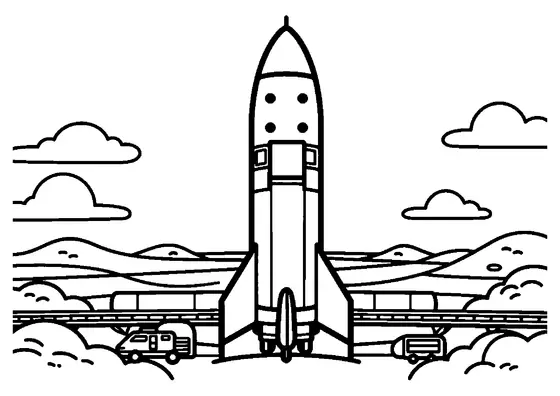
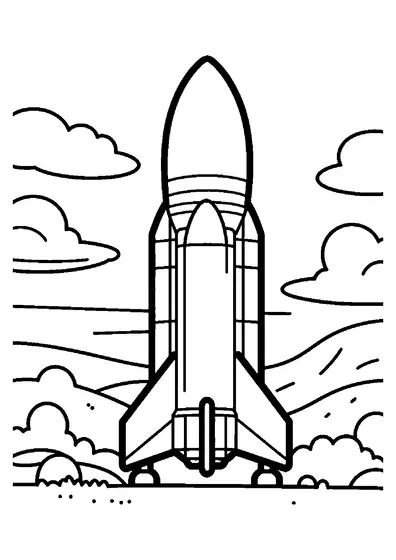
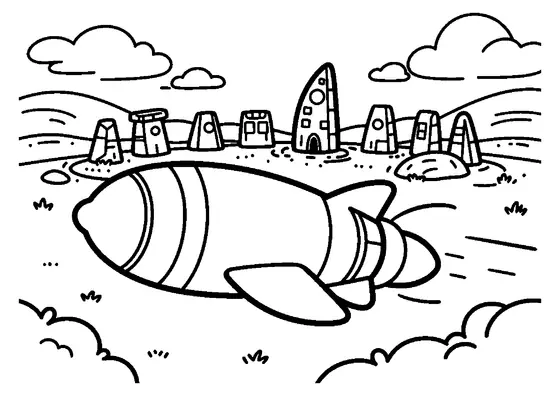
A space rocket sits on a high plateau surrounded by unusual layered rock formations shaped with curved shell patterns.

A4 format (portrait), black outlines on a white background · for home and classroom use
All coloring pages: Space and Rocket Coloring Pages
Similar coloring pages: Space and Rocket Coloring Pages

What else can you print? Free, no account needed
Custom Name Coloring Pages
Enter your child's name to generate a custom coloring page featuring large outline letters to color and decorate.
Open generator →Connect the Dots Generator
Eight connect-the-dots pictures across three difficulty levels. Features faint outline guides for younger children and dots only for older kids.
Open generator →Printables
Worksheets, tracing lines, mazes and dot-to-dots in A4.
Browse printables →
Rocket Stationed on Layered Rock Formations
This page presents a space rocket resting on an elevated plateau. The surrounding landscape features prominent rock formations with distinct curved layers reminiscent of natural shell structures. These sweeping rock layers form a rugged high-altitude terrain around the landed rocket.
Geology of Layered Plateau Rocks
Layered rock formations on high plateaus are sculpted over millions of years by continuous wind action and mineral deposition. Distinct shell-like curves develop when softer sedimentary rock erodes faster than surrounding mineral veins. Wind-driven sand acts as a natural sandpaper, smoothing stone surfaces into sweeping organic shapes.
Natural Colors of Rockets and Plateau Rocks
- Rocket exterior: reflective aluminum white, matte gray insulation panels, or steel accents
- Rocket fuel tank: pale cream, bright white, or orange rust-inhibiting coating
- Layered rock surfaces: terracotta red, ochre yellow, or deep brown sedimentary bands
- Plateau ground: dusty beige, pale sandstone gray, or reddish clay brown