
Squirrel with a Nut Beside a Lavender Bed
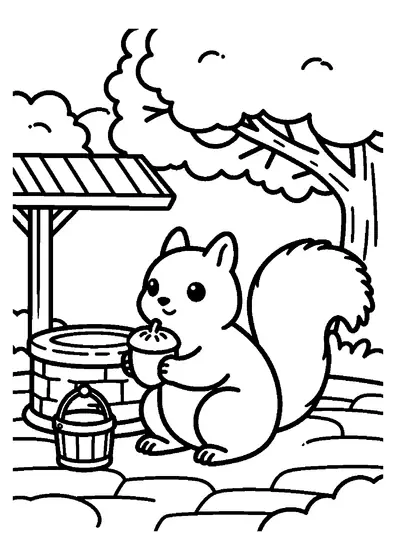
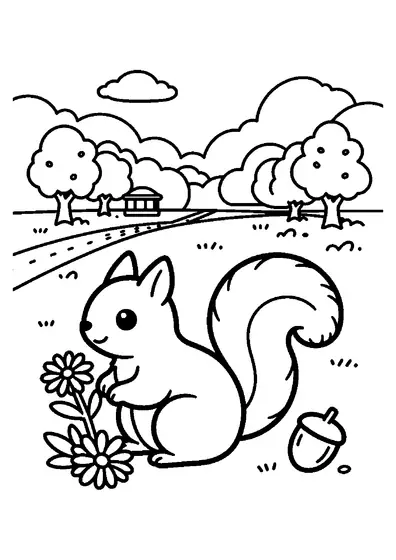
A bushy-tailed squirrel clutches a fresh nut while sitting beside a fragrant lavender planter in a city park.

A4 format (portrait), black outlines on a white background · for home and classroom use
All coloring pages: Flower Meadow Coloring Pages
Similar coloring pages: Flower Meadow Coloring Pages

What else can you print? Free, no account needed
Custom Name Coloring Pages
Enter your child's name to generate a custom coloring page featuring large outline letters to color and decorate.
Open generator →Connect the Dots Generator
Eight connect-the-dots pictures across three difficulty levels. Features faint outline guides for younger children and dots only for older kids.
Open generator →Printables
Worksheets, tracing lines, mazes and dot-to-dots in A4.
Browse printables →
A City Park Squirrel Beside Fragrant Lavender
A fluffy squirrel pauses beside a decorative garden bed blooming with fragrant lavender in a public city park. The active rodent holds a small nut between its paws while taking a brief rest outdoors.
How Squirrels Store Food and Explore Parks
Tree squirrels have exceptionally sharp eyesight and keen senses that help them navigate urban parks and flower beds safely. During late summer and autumn, they gather nuts and bury them in soil to prepare for cold winter months when food is scarce. Lavender plants attract numerous pollinators while their aromatic foliage naturally repels garden pests.
Natural Color Palette of Squirrels and Lavender
- Squirrel fur: reddish-brown, dark gray, or rusty orange with a pale belly
- Squirrel tail: bushy gray-brown with white-tipped hairs
- Lavender flowers: soft purple, deep violet, or light lavender-blue
- Lavender leaves and stem: silvery gray-green
- Nut shell: warm chestnut brown or tan