
Mermaid and Octopus by a Ruined Arch
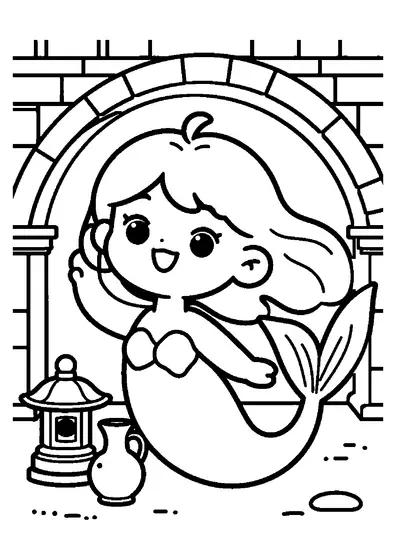
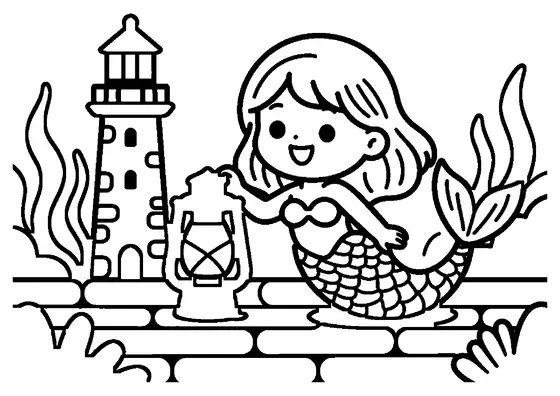
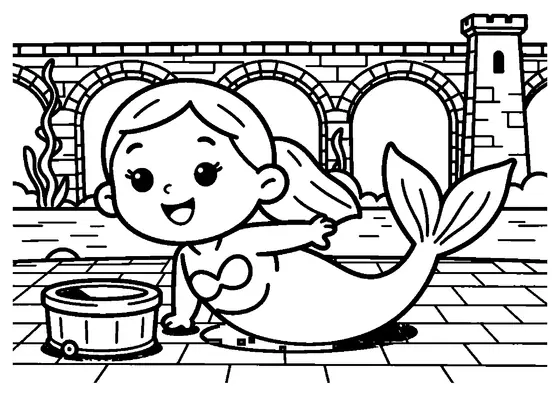
Sunken stone architecture forms the backdrop for an aquatic encounter between a braided mermaid and a small octopus.

A4 format (landscape), black outlines on a white background · for home and classroom use
All coloring pages: Mermaid Coloring Pages
Similar coloring pages: Mermaid Coloring Pages


What else can you print? Free, no account needed
Custom Name Coloring Pages
Enter your child's name to generate a custom coloring page featuring large outline letters to color and decorate.
Open generator →Connect the Dots Generator
Eight connect-the-dots pictures across three difficulty levels. Features faint outline guides for younger children and dots only for older kids.
Open generator →Printables
Worksheets, tracing lines, mazes and dot-to-dots in A4.
Browse printables →
Ocean Ruins and Marine Companionship
Submerged structures on the seafloor create unique natural habitats for diverse sea creatures. This ocean depiction features a mermaid with braided hair interacting with a small octopus near a sunken stone arch. The stone ruins provide an underwater environment filled with historical atmosphere and marine life.
Sunken Architecture and Cephalopod Habitats
Underwater stone arches and artificial reefs often originate from collapsed coastal structures or ancient submerged ports. Octopuses are drawn to these stony crevices because the narrow spaces offer protection from larger ocean predators. These intelligent sea animals use their flexible bodies to squeeze into tight rocky openings where they rest during the day.
Real Colors of Octopuses and Submerged Stone
- Common octopus skin: Varies from reddish brown and sandy tan to mottled gray, changing tint rapidly to match surroundings.
- Submerged stone ruins: Appear in dark slate gray, muted brown, or greenish gray due to algae growth.
- Seaweed on ocean rocks: Ranges from olive green and dark brown to vibrant pinkish red.
- Shallow sea water: Displays shades of clear azure, teal, and deep cobalt blue.