
Dilophosaurus in a Fern-Filled Forest Clearing
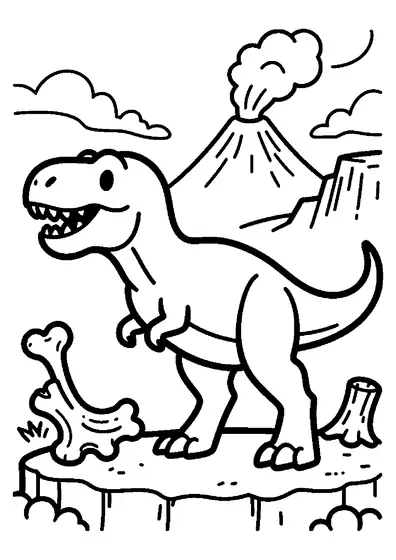
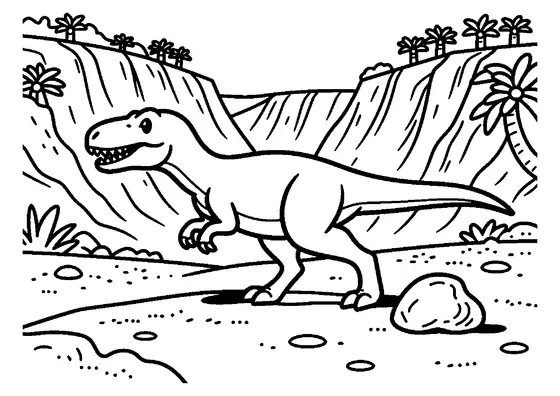
This page features a double-crested Dilophosaurus standing among ancient ginkgo trees and giant ferns.

A4 format (portrait), black outlines on a white background · for home and classroom use
All coloring pages: Predatory Dinosaur Coloring Pages
Similar coloring pages: Predatory Dinosaur Coloring Pages



What else can you print? Free, no account needed
Custom Name Coloring Pages
Enter your child's name to generate a custom coloring page featuring large outline letters to color and decorate.
Open generator →Connect the Dots Generator
Eight connect-the-dots pictures across three difficulty levels. Features faint outline guides for younger children and dots only for older kids.
Open generator →Printables
Worksheets, tracing lines, mazes and dot-to-dots in A4.
Browse printables →
The Double-Crested Dilophosaurus in a Prehistoric Forest
The Dilophosaurus roamed lush prehistoric woodland environments during the Early Jurassic period. Surrounding vegetation like giant ferns and ancient ginkgo trees formed a dense canopy over clearing areas where these theropods hunted. The pair of distinctive parallel crests running along the top of the skull gave this carnivorous dinosaur a striking profile against the primeval foliage.
Adaptations of Early Jurassic Hunters
Unlike later giant predators, Dilophosaurus possessed a relatively slender body built for agility in wooded habitats. Ginkgo trees from this era were nearly identical to modern species, providing familiar foliage alongside primitive fern thickets. Paleontologists believe the light skull structure with dual crests served primarily for display and species identification rather than heavy combat.
Realistic Colors of the Dilophosaurus and Environment
- Dilophosaurus skin: Olive green or sandy brown to blend into forest shadows
- Dual head crests: Bright red or yellow highlights for visual signaling
- Giant fern fronds: Deep forest green with lighter yellow-green stems
- Ginkgo tree leaves: Bright emerald green or golden autumn yellow