
Diabloceratops in the Pumpkin Patch
A horned Diabloceratops stands amidst ripe pumpkins near a rustic wooden fence in a quiet autumn landscape.

A4 format (landscape), black outlines on a white background · for home and classroom use
All coloring pages: Herbivorous Dinosaur Coloring Pages
Similar coloring pages: Herbivorous Dinosaur Coloring Pages


What else can you print? Free, no account needed
Custom Name Coloring Pages
Enter your child's name to generate a custom coloring page featuring large outline letters to color and decorate.
Open generator →Connect the Dots Generator
Eight connect-the-dots pictures across three difficulty levels. Features faint outline guides for younger children and dots only for older kids.
Open generator →Printables
Worksheets, tracing lines, mazes and dot-to-dots in A4.
Browse printables →
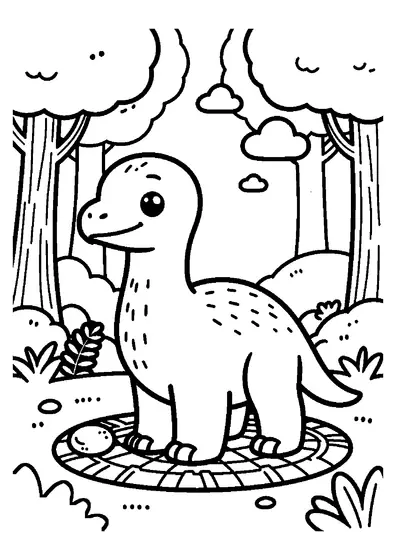
Diabloceratops in an Autumn Pumpkin Field
This horned herbivore spends its day on a quiet farm field surrounded by large orange pumpkins. Leaf-bearing autumn trees line the horizon under gentle clouds, while a low wooden fence frames the rural backdrop.
Fascinating Facts About Diabloceratops
Diabloceratops lived during the Late Cretaceous period in North America, named for the striking curved horns on its neck frill resembling devil horns. Unlike some larger ceratopsids, it was relatively compact and browsed low-lying vegetation close to the ground. Autumn crops like pumpkins belong to modern plant families, but ancient relatives of flowering plants began expanding during this dinosaur's era.
Natural Colors of the Scene
- Diabloceratops skin: Gray, brown, or earthy green tones suited for camouflage
- Horns and frill trim: Off-white or pale ivory shade
- Pumpkins: Vibrant orange, deep yellow, or dull green
- Autumn trees: Golden yellow, fiery red, and rustic brown leaves
- Wooden fence: Weathered gray or natural wood brown