
Saurolophus with a Head Spike
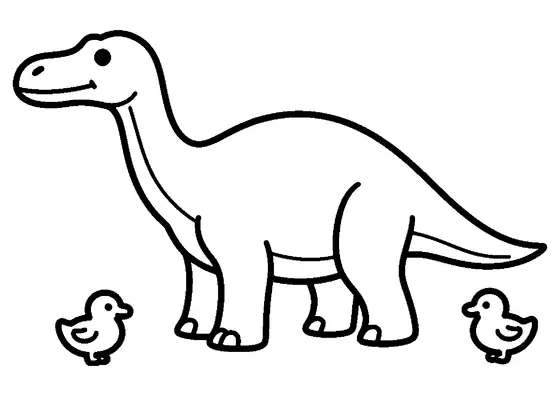
A duck-billed dinosaur with a backward-pointing crest stands quietly in profile view.

A4 format (landscape), black outlines on a white background · for home and classroom use
All coloring pages: Herbivorous Dinosaur Coloring Pages
Similar coloring pages: Herbivorous Dinosaur Coloring Pages


What else can you print? Free, no account needed
Custom Name Coloring Pages
Enter your child's name to generate a custom coloring page featuring large outline letters to color and decorate.
Open generator →Connect the Dots Generator
Eight connect-the-dots pictures across three difficulty levels. Features faint outline guides for younger children and dots only for older kids.
Open generator →Printables
Worksheets, tracing lines, mazes and dot-to-dots in A4.
Browse printables →
The Duck-Billed Saurolophus in Profile
This scene displays a Saurolophus featuring its distinctive backward spike along the back of its skull, a broad flat beak, and sturdy legs built for upright movement.
Ancient Habitats and Crest Functions
The long spike extending from the back of the Saurolophus skull was actually a hollow bone extension connected to its nasal passages. Scientists believe this structure helped the dinosaur produce deep vocal calls that echoed across prehistoric river valleys. These large herbivores relied on sound to signal other herd members across long distances.
Real Colors of Saurolophus
- Skin scales: earthy brown or olive green
- Head crest: reddish brown or muted orange
- Underbelly: pale cream or light tan
- Eyes: dark brown