
Edmontosaurus on All Fours
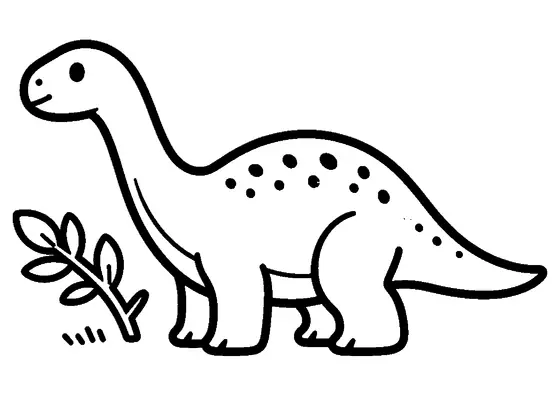
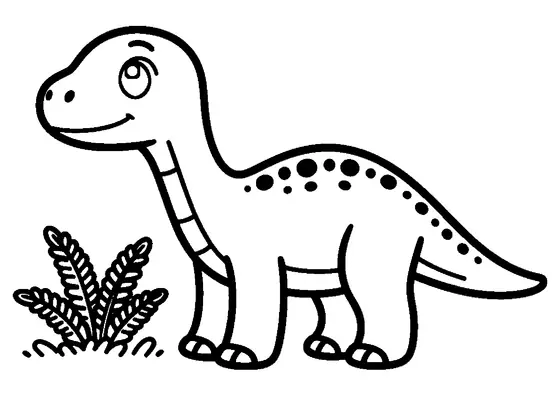
A large duck-billed Edmontosaurus stands resting on all four sturdy legs with a broad tail extending behind it.

A4 format (landscape), black outlines on a white background · for home and classroom use
All coloring pages: Herbivorous Dinosaur Coloring Pages
Similar coloring pages: Herbivorous Dinosaur Coloring Pages



What else can you print? Free, no account needed
Custom Name Coloring Pages
Enter your child's name to generate a custom coloring page featuring large outline letters to color and decorate.
Open generator →Connect the Dots Generator
Eight connect-the-dots pictures across three difficulty levels. Features faint outline guides for younger children and dots only for older kids.
Open generator →Printables
Worksheets, tracing lines, mazes and dot-to-dots in A4.
Browse printables →
Understanding the Edmontosaurus
The Edmontosaurus was a massive herbivorous dinosaur recognized for its flattened snout shaped like a duck bill and a muscular tail that helped balance its weight. It moved naturally on four legs while grazing, using its strong limbs to support a body that could stretch over thirty feet in length.
Duck-Billed Herbivore Facts
Although Edmontosaurus had no teeth at the front of its duck-like bill, its jaws held hundreds of tightly packed cheek teeth designed for grinding tough pine needles and tough plant matter. Fossils show that these gentle giants traveled across North America in vast herds, moving together across ancient coastal plains.
Natural Colors of Edmontosaurus
- Edmontosaurus skin: muted olive green or earthy gray
- Duck bill snout: dark tan or dusky brown
- Sturdy legs: deep brown or shaded khaki
- Muscular tail: slate gray with brownish patterns