
Dinosaur by a Prehistoric Lake
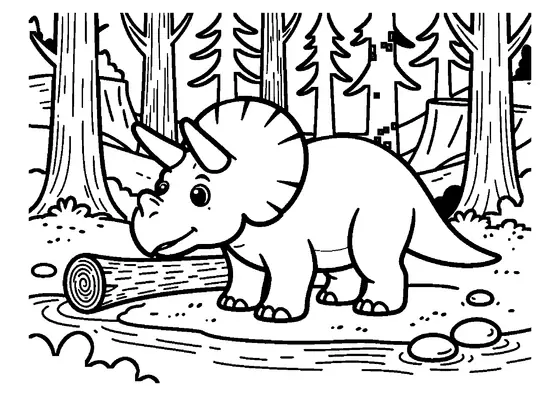
Along the edge of a tranquil prehistoric lake, a herbivorous stegosaurus grazes among lush wild ferns and fallen tree logs.

A4 format (landscape), black outlines on a white background · for home and classroom use
All coloring pages: Herbivorous Dinosaur Coloring Pages
Similar coloring pages: Herbivorous Dinosaur Coloring Pages




What else can you print? Free, no account needed
Custom Name Coloring Pages
Enter your child's name to generate a custom coloring page featuring large outline letters to color and decorate.
Open generator →Connect the Dots Generator
Eight connect-the-dots pictures across three difficulty levels. Features faint outline guides for younger children and dots only for older kids.
Open generator →Printables
Worksheets, tracing lines, mazes and dot-to-dots in A4.
Browse printables →
Prehistoric Lakeside Stegosaurus Scene
During the Jurassic period, low-lying lake basins provided rich habitats filled with dense fern thickets and fallen timber. Large plant-eating dinosaurs like stegosaurus frequented shallow water shores where soft plant vegetation grew abundantly near the moist muddy bank.
Paleontological Facts About Jurassic Habitats
Stegosaurus lived alongside ancient lakes where primitive flora like horsetails, cycads, and giant ferns flourished. Because flowering plants had not yet evolved during much of the Jurassic period, lake edges were dominated by green spore-bearing vegetation and moss-covered rotting logs.
Color Estimates for Prehistoric Animals and Nature
- Stegosaurus skin: Earthy olive green, dull brown, or muted gray
- Bony back plates: Dusty rust orange or reddish brown tones
- Prehistoric ferns: Deep forest green or vibrant emerald green
- Weathered fallen log: Dark charcoal brown with patches of moss green