
Psittacosaurus with a Picnic Backpack
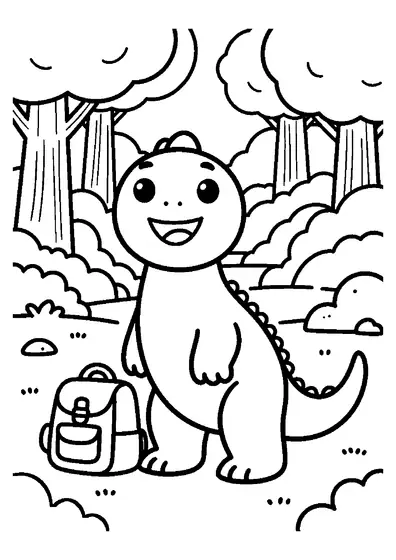
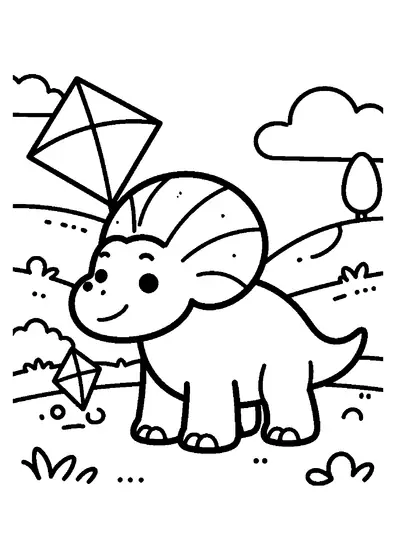
A young Psittacosaurus takes a restful break on a grassy hill beside a backpack and picnic mat.

A4 format (portrait), black outlines on a white background · for home and classroom use
All coloring pages: Herbivorous Dinosaur Coloring Pages
Similar coloring pages: Herbivorous Dinosaur Coloring Pages


What else can you print? Free, no account needed
Custom Name Coloring Pages
Enter your child's name to generate a custom coloring page featuring large outline letters to color and decorate.
Open generator →Connect the Dots Generator
Eight connect-the-dots pictures across three difficulty levels. Features faint outline guides for younger children and dots only for older kids.
Open generator →Printables
Worksheets, tracing lines, mazes and dot-to-dots in A4.
Browse printables →
A Psittacosaurus Pausing on a Grassy Hill
A young Psittacosaurus takes a break while positioned on a grassy hill next to a picnic mat and a large backpack. The gentle slope gives a clear view of the surrounding outdoor landscape.
Discovering the Life of Psittacosaurus
Psittacosaurus, often called the parrot lizard, earned its name due to its prominent curved beak which resembled that of a modern parrot. Well-preserved fossils discovered in Asia reveal that this small dinosaur possessed long bristles along the top of its tail. Unlike larger horned dinosaurs, Psittacosaurus walked primarily on its hind legs while using its shorter front limbs for grasping plant stems.
Realistic Colors for Psittacosaurus and Outdoor Gear
- Psittacosaurus back and upper body: dark brown or olive green countershading
- Psittacosaurus underside: light cream or pale tan
- Tail bristles: dark brown or charcoal gray
- Picnic mat: woven beige, forest green, or classic plaid patterns
- Backpack: canvas brown, deep navy, or rustic red