
Ornithomimus with a Large Hoop
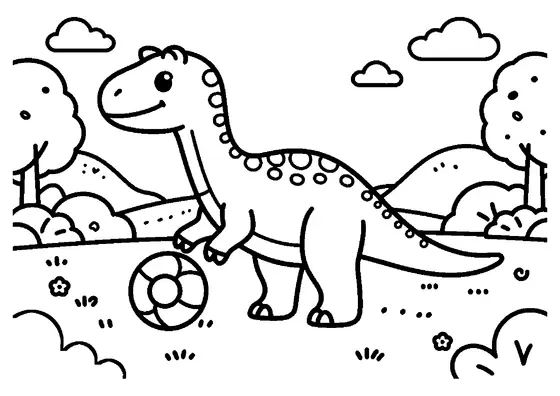
An Ornithomimus stands in an open meadow beside a large wooden hoop in a quiet outdoors setting.

A4 format (portrait), black outlines on a white background · for home and classroom use
All coloring pages: Herbivorous Dinosaur Coloring Pages
Similar coloring pages: Herbivorous Dinosaur Coloring Pages




What else can you print? Free, no account needed
Custom Name Coloring Pages
Enter your child's name to generate a custom coloring page featuring large outline letters to color and decorate.
Open generator →Connect the Dots Generator
Eight connect-the-dots pictures across three difficulty levels. Features faint outline guides for younger children and dots only for older kids.
Open generator →Printables
Worksheets, tracing lines, mazes and dot-to-dots in A4.
Browse printables →
Ornithomimus in a Meadow
An Ornithomimus is set in a wide outdoor meadow alongside a large wooden hoop. The peaceful open field forms a simple environment around the dinosaur.
Speed and Structure of the Bird Mimic
Ornithomimus belonged to a group of dinosaurs known as bird mimics because their body structure closely resembled modern ostriches. With long, slender legs, a hollow bone structure, and a toothless beak, this dinosaur was built for high-speed running across open plains. Fossil evidence suggests it could run at speeds exceeding thirty miles per hour to outrun predators.
Colors of Ornithomimus and Natural Surroundings
- Ornithomimus body: Sandy tan, light brown, grayish-olive, or feathered patterns of buff and charcoal
- Beak and feet: Pale yellow, horn-colored tan, or brownish-gray
- Wooden hoop: Natural pine yellow, oak brown, or weathered wood gray
- Meadow grass: Spring green, golden straw, or lush field green