
Hypacrosaurus Beside a Bundle of Reeds
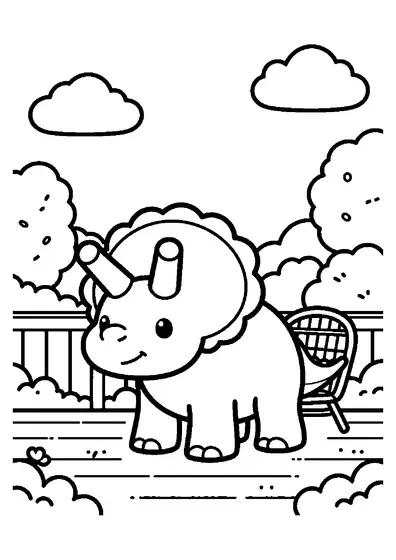
A crested young Hypacrosaurus rests on a peaceful pond shore next to a tied bundle of tall marsh reeds.

A4 format (landscape), black outlines on a white background · for home and classroom use
All coloring pages: Herbivorous Dinosaur Coloring Pages
Similar coloring pages: Herbivorous Dinosaur Coloring Pages


What else can you print? Free, no account needed
Custom Name Coloring Pages
Enter your child's name to generate a custom coloring page featuring large outline letters to color and decorate.
Open generator →Connect the Dots Generator
Eight connect-the-dots pictures across three difficulty levels. Features faint outline guides for younger children and dots only for older kids.
Open generator →Printables
Worksheets, tracing lines, mazes and dot-to-dots in A4.
Browse printables →
A Crested Hypacrosaurus along a Peaceful Pond Shore
The setting displays a young Hypacrosaurus featuring its signature tall crest while resting on the peaceful shore of a wide pond. Beside the duck-billed dinosaur sits a neatly gathered bundle of reeds. Broad landscape elements, including shoreline terrain and water features, surround the prehistoric animal.
Unique Characteristics of Hypacrosaurus
Hypacrosaurus was a hollow-crested duck-billed dinosaur (lambeosaurine hadrosaur) from Late Cretaceous North America. Its high, rounded crest contained hollow nasal passages that allowed the dinosaur to produce booming vocal signals across vast distances. Bundling reeds was an early agricultural practice used to transport materials for building, matting, and thatch roofing.
Realistic Colors for Hypacrosaurus and Wetland Habitats
- Hypacrosaurus skin: Muted olive, slate blue, or brownish-gray
- Head crest: Dusty reddish-brown, muted orange, or pale tan
- Bundle of reeds: Dry yellow-brown, straw tan, and light green
- Pond water: Soft aqua blue, reflective sky blue, and murky teal