
Lambeosaurine by a Bundle of Reeds
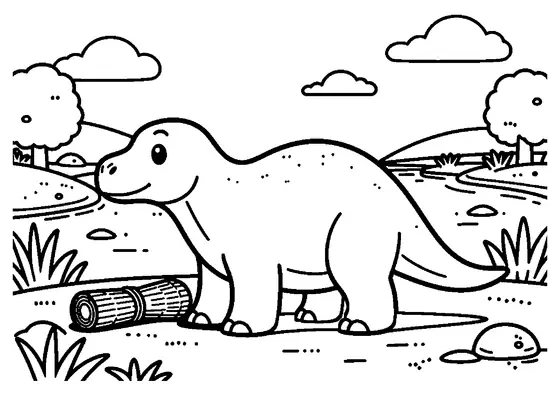
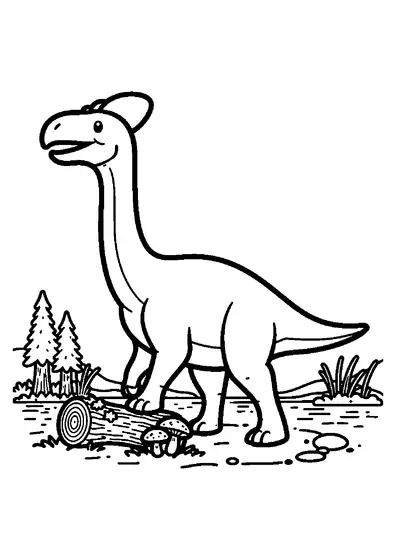
A crested Lambeosaurine rests near a bundle of tied reeds along the quiet waters of a lush wetland.

A4 format (landscape), black outlines on a white background · for home and classroom use
All coloring pages: Herbivorous Dinosaur Coloring Pages
Similar coloring pages: Herbivorous Dinosaur Coloring Pages


What else can you print? Free, no account needed
Custom Name Coloring Pages
Enter your child's name to generate a custom coloring page featuring large outline letters to color and decorate.
Open generator →Connect the Dots Generator
Eight connect-the-dots pictures across three difficulty levels. Features faint outline guides for younger children and dots only for older kids.
Open generator →Printables
Worksheets, tracing lines, mazes and dot-to-dots in A4.
Browse printables →
Lambeosaurine near Wetland Waters
A crested Lambeosaurine stands beside a bundle of tied reeds near a calm river backwater in a lush wetland landscape.
Facts About Lambeosaurines and Reeds
Lambeosaurines are duck-billed dinosaurs famous for the hollow bone crests on top of their skulls. Wetland reeds grow in shallow water and help stabilize riverbanks while providing habitat for wild creatures.
True Colors of a Wetland Habitat
- Lambeosaurine skin: olive green or mottled brown patterns
- Crest: reddish orange or yellow crest markings
- Tied reeds: pale yellowish green or dried tan color
- River water: murky blue-green or reflective silver tones
- Wetland vegetation: dark green and reed brown shades