
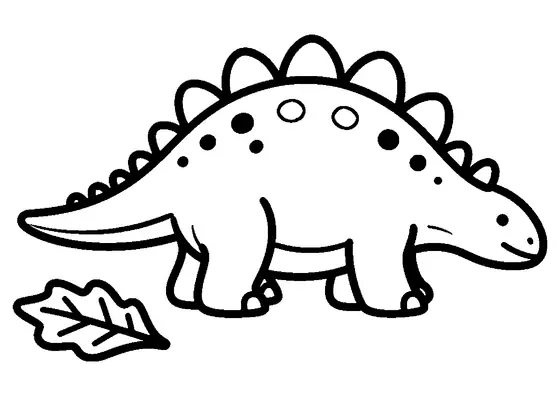
Maiasaura Walking Through a Puddle
This duck-billed herbivore steps quietly into a shallow pool of water.

A4 format (landscape), black outlines on a white background · for home and classroom use
All coloring pages: Herbivorous Dinosaur Coloring Pages
Similar coloring pages: Herbivorous Dinosaur Coloring Pages


What else can you print? Free, no account needed
Custom Name Coloring Pages
Enter your child's name to generate a custom coloring page featuring large outline letters to color and decorate.
Open generator →Connect the Dots Generator
Eight connect-the-dots pictures across three difficulty levels. Features faint outline guides for younger children and dots only for older kids.
Open generator →Printables
Worksheets, tracing lines, mazes and dot-to-dots in A4.
Browse printables →
Maiasaura in a Shallow Puddle
Maiasaura was a large plant-eating dinosaur known for its broad beak and sturdy tail. Passing through shallow water was a common occurrence for these creatures as they moved across humid coastal plains and river valleys during the Late Cretaceous period.
Discovering the Good Mother Lizard
The name Maiasaura means good mother lizard because fossil sites showed these dinosaurs cared for their young in large nesting colonies. Walking through muddy areas and small pools helped them search for soft vegetation along freshwater streams. Fossilized footprints reveal that herds often traveled together near water sources to find plentiful plant food.
Natural Colors of Maiasaura
- Maiasaura hide: dull green or earth brown tone
- Duck-like beak: dark grayish brown
- Muscular tail: muted olive green
- Shallow water puddle: clear blue reflecting brown muddy soil