
Saltasaurus with a Leafy Branch
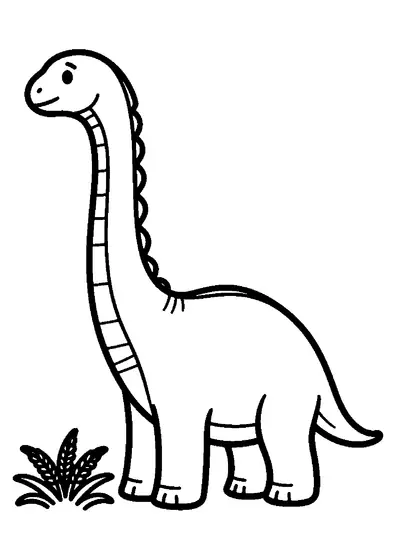
A long-necked Saltasaurus with small back armor plates stands in profile beside a leafy branch.

A4 format (landscape), black outlines on a white background · for home and classroom use
All coloring pages: Herbivorous Dinosaur Coloring Pages
Similar coloring pages: Herbivorous Dinosaur Coloring Pages
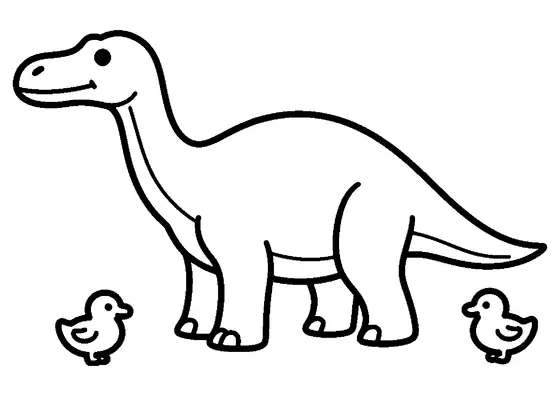


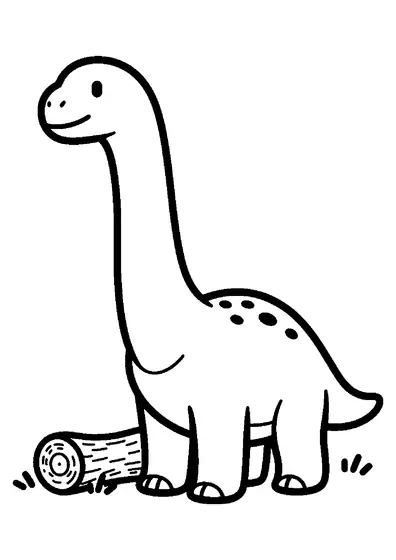

What else can you print? Free, no account needed
Custom Name Coloring Pages
Enter your child's name to generate a custom coloring page featuring large outline letters to color and decorate.
Open generator →Connect the Dots Generator
Eight connect-the-dots pictures across three difficulty levels. Features faint outline guides for younger children and dots only for older kids.
Open generator →Printables
Worksheets, tracing lines, mazes and dot-to-dots in A4.
Browse printables →
The Armored Saltasaurus
Saltasaurus was a unique sauropod featuring an elongated neck and small stud-like armor plates embedded along its spine. Seen from the side, this herbivore stands near a leafy plant branch suited to its herbivorous diet.
Discovery of Armored Sauropods
When Saltasaurus was first discovered in South America, paleontologists were surprised to find armor plating on a sauropod, a trait previously thought to belong only to ankylosaurs and stegosaurs. Hundreds of tiny bony nodules covered its skin alongside larger armored plates, protecting it without adding too much heavy bulk.
Real World Colors of Saltasaurus
- Sauropod body skin: grayish brown, olive green, or dusty gray
- Small back plates: dull bone beige, pale gray, or dark brown
- Long neck and head: warm tan or muted gray
- Leafy branch: deep green, forest green, or yellowish green