
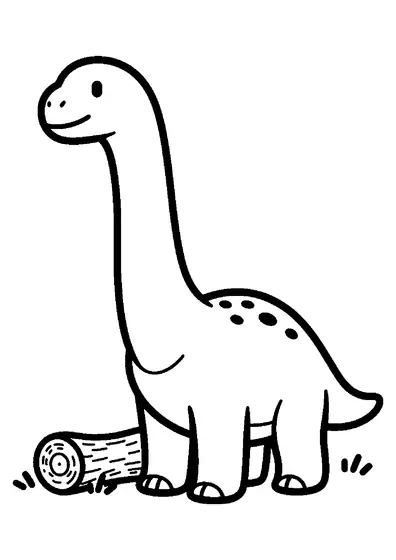
Chasmosaurus by a Fallen Log
A herbivorous Chasmosaurus showcases its large neck frill and horns beside a low fallen log in a forest setting.

A4 format (landscape), black outlines on a white background · for home and classroom use
All coloring pages: Herbivorous Dinosaur Coloring Pages
Similar coloring pages: Herbivorous Dinosaur Coloring Pages



What else can you print? Free, no account needed
Custom Name Coloring Pages
Enter your child's name to generate a custom coloring page featuring large outline letters to color and decorate.
Open generator →Connect the Dots Generator
Eight connect-the-dots pictures across three difficulty levels. Features faint outline guides for younger children and dots only for older kids.
Open generator →Printables
Worksheets, tracing lines, mazes and dot-to-dots in A4.
Browse printables →
Chasmosaurus Standing beside a Forest Log
Chasmosaurus was a distinctive ceratopsian dinosaur recognized by its exceptionally large heart-shaped neck frill and facial horns. Standing beside a low fallen log, this quadrupedal plant-eater navigated ancient woodland clearings. The broad frill added considerable size to its silhouette while its beak allowed it to crop tough vegetation.
Remarkable Characteristics of Chasmosaurus
Fallen logs in Late Cretaceous forests created rich microhabitats for mosses, fungi, and insects while offering cover for small woodland animals. The neck frill of Chasmosaurus had large openings covered by skin, making it much lighter than solid bone crests. Scientists believe the frill helped regulate body temperature and was used for displaying visual signals to herd members.
Authentic Colors of Chasmosaurus and Woodland Logs
- Chasmosaurus neck frill: patterned brownish-orange, olive green, or marked with dark spots
- Chasmosaurus body skin: mottled gray, brownish-tan, or dusty clay tones
- Horns and beak: pale ivory, horn yellow, or weathered gray
- Fallen tree log: dark timber brown, grayish bark, with patches of moss green
- Chasmosaurus eyes: golden brown or deep amber