
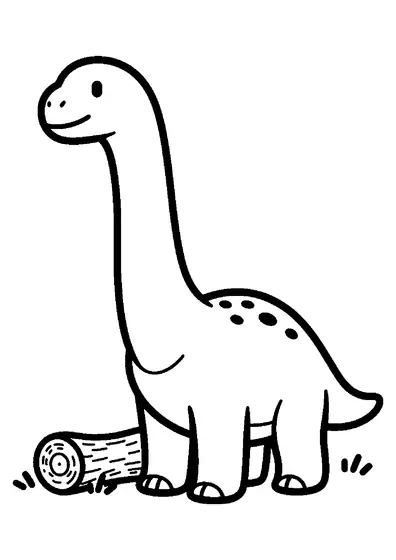
Protoceratops by a Fallen Log
A small Protoceratops with a short frill and beak stands next to a low fallen log.

A4 format (landscape), black outlines on a white background · for home and classroom use
All coloring pages: Herbivorous Dinosaur Coloring Pages
Similar coloring pages: Herbivorous Dinosaur Coloring Pages




What else can you print? Free, no account needed
Custom Name Coloring Pages
Enter your child's name to generate a custom coloring page featuring large outline letters to color and decorate.
Open generator →Connect the Dots Generator
Eight connect-the-dots pictures across three difficulty levels. Features faint outline guides for younger children and dots only for older kids.
Open generator →Printables
Worksheets, tracing lines, mazes and dot-to-dots in A4.
Browse printables →
Protoceratops Beside a Fallen Log
This illustration highlights a compact plant-eating dinosaur distinguished by its short neck frill and curved beak. The creature is positioned next to a low fallen log lying on the ground.
Fascinating Facts About Protoceratops
Protoceratops was an early member of the horned dinosaur family, though it lacked the dramatic nasal horns of its later relatives. Its strong, parrot-like beak was ideal for snipping tough desert vegetation and roots. Fossil discoveries in the Gobi Desert show that these small herbivores lived in groups and laid eggs in shallow ground nests.
Real Colors of Protoceratops and Log
- Upper hide: Desert tan, sandy yellow, or warm reddish brown
- Neck frill: Light brown with subtle gray patterning
- Curved beak: Horn yellow, off-white, or dark brown
- Fallen log: Dark oak brown, grayish bark, or weathered beige